
Welcome back to Episode 6 of Sound Discussion!
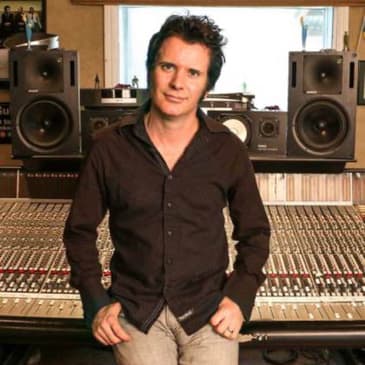
This month we are thrilled to have the incredibly talented Warren Huart as our special guest.
Warren is a renowned producer, engineer, songwriter, and musician, best known for his work with multiplatinum artists such as The Fray, Aerosmith, Daniel Powter, James Blunt and Korn.
As the founder of Produce Like A Pro, Warren has dedicated himself to educating and inspiring the next generation of music creators through his insightful tutorials and courses. His expertise and passion for music have made him a respected figure in the industry, and we're excited to dive into his journey, creative process, and the future of music production.
Stay tuned for an inspiring and informative conversation with the "marvellous" Warren Huart!
Follow Warren on socials
Instagram: https://instagram.com/@warrenhuart
Youtube: https://www.youtube.com/@Producelikeapro
Send us an email and let us know what you thought about this episode: sounddiscussionpodcast@gmail.com
You can find more information here: https://linktr.ee/sounddiscussionpodcast
Hosted on Acast. See acast.com/privacy for more information.
[00:00:00] I'm pumped, I'm excited about today's episode guys. I mean, what a guest. I'm excited. This person that we have lined up is like this is a big deal. Our biggest guest to date, they are one of,
[00:00:22] I would go out on a limb and say one of the top producers recording engineers, personalities. Yeah, in the recording world today. I mean, when you look at the list of credits that he's right with it is ridiculous. It really is and I'm really fascinated to hear,
[00:00:44] I know that it's not in interviews, so we're not going to go to and death, but I'm just fascinated to hear how he thinks about these projects, how he approaches these things. You know, because it's not small potatoes, right?
[00:01:01] You know, these are big names that he's worked with. Yeah, I'm really excited to hear what our guest has to say today about. We're going to talk about then. What's the subject of today's conversation?
[00:01:14] So, today's topic for today is are you mixing before you ever touch a fader? The process before mixing is really important, some might say more important than what happens in the actual mix. And we're going to be able to speak hopefully with them about,
[00:01:34] the topic just sort of get there right at their thoughts on, should you start mixing, do you start mixing before you ever open a mix session? You know, does mixing start in recording? Does it matter if you're in the box or going through hardware?
[00:01:49] All these kind of things of, when does it start for him? Does that mixing in like with, is that producing and recording with the mix in mind? Absolutely. I mean, I'm sure. Yeah, that's really how niche it always.
[00:02:07] Well, I guess I shouldn't say that's how it should always be approached. But that's the ideal, right? It'd be like it should be that way because when I'm writing a song, when I'm thinking of guitar parts,
[00:02:17] yeah, I want the guitar to sound good, but I'm also thinking a couple steps ahead at the same time. Okay, I want to have four or five guitars, right? So now I need to think about four or five unique sounds that complement each other,
[00:02:33] or maybe four sounds that complement each other, and one that doesn't. So it kind of sticks out a little bit, you know? So you're kind of thinking about the mix, the balance of things before you really ever pull a guitar down off the wall, right? Plug it in.
[00:02:50] But how often do you think about it? That's how I try and think about it. How often have we heard, I don't worry about it, we'll fix it in the mix. Oh, I mean, yeah, yeah, I had the whole thing I had all the time.
[00:03:00] That was the going mode of operation I know when I was starting out. Exactly. Yeah. And that, that was great for somebody coming in because it took this complete, other context of thinking out of the picture. Yeah, oh, the pressure.
[00:03:17] I don't have to think about, yeah, I don't have to think about the mix. I don't have to think about any of this stuff. I can just sit record and I can fix it later. Well, guess what? There's no fixing it later. You can't.
[00:03:28] So you really cannot fix it later. I mean, you could find all the tips and tricks you want on YouTube, watch this, watch that tip, watch that tip. And yeah, they're cool tricks and, you know, things that you can do to get like what you want to happen.
[00:03:45] But who was it that said you can't fix a turd, right? Is that the same? Yeah, you can't polish it. You can't polish a turd, you can't polish a turd. If you can only roll it in glitter.
[00:03:56] Yeah, so if you're recording all these instruments and they're all like fitting in this one space, like trying to carve out space later is just, it's going to be a nightmare for you. It's going to be a nightmare for the engineer who's mixing it.
[00:04:13] It's, you should think about those things ahead of time. Yeah, it really is going to be, you're not going to have a good time. It's not going to be fun. And, and I think that is going to be a big take away.
[00:04:31] I hope today is that part of the conversation about not only just getting it right at the source because there's a whole bunch of things that happen even before you do that, right? It's having a good arrangement. It's the production value of the song.
[00:04:52] What's not playing when the solo is happening? What's not playing when the vocalist is singing the verse, right? So restraint, pulling back the instrumentation. It's it's awesome to have this huge stereo image of all these things happening.
[00:05:09] But if it's detracting from the vocals, then simply turning up the vocals is not going to fix that problem. Right? So now it's cutting out things and thinking about the production value of things. So that's like that's really getting the song right before you hit record
[00:05:26] and that's thinking of things with the mix in mind. Yeah, and I've always done this way more to it than that, right? That is that is very small part of it. And even as I'm recording, like,
[00:05:38] I will have those tracks available for me to play against what I'm recording now just to kind of like, see, well, does it fit? Does this tone fit? You know, if you've already got the drums recorded
[00:05:48] and you already have the bass recorded or whatnot and you're going in and recording guitars, why wouldn't you record, you know, and then like just real quick check against what instruments you have already there? Just quick check.
[00:06:03] Yeah. And don't be afraid to bring a different pair of ears in, you know, share it with a friend. Ask them, hey, what do you think about what you hear? Because your, you know,
[00:06:14] lose perspective as you go along. So get someone else's opinion before you go down a path and, you know, you've invested too much and you can't go back. And don't be afraid to try other microphones, other recording techniques, maybe,
[00:06:29] you know, well, I just assuming somebody has microphones to choose from. That's true. People have one, two, maybe, maybe three mics, you know, especially bedroom producers, they have two channel interface. So that's all they can work with. But there's always a way to do
[00:06:51] like a second type of tone, right? So like even if you have my position in my position, different tone on a guitar, maybe maybe blending a clean tone with a, with a dirty tone, you know, try maybe even bringing an acoustic guitar in, blending those, trying different things
[00:07:10] to get the tone that is right for the song. Well, we're, we're getting way ahead of it. I know we are. So I think what we'll do is, let's play the intro and then we'll come back
[00:07:26] and we'll introduce today's guest and, and we'll get this conversation going about how to think about the mixing process before you ever load up a DAW before you ever touch a fader. Okay, let's go. Hi and welcome to Sound Discussion. Each episode we discuss
[00:07:46] the music topic which we have all had first hand experience with. This will be anything from getting started recording, playing live, mixing, mastering and everything in between. Most episodes we will have a special guest to bring their professional experience into the
[00:08:02] discussion. So let's get started. This month's guest needs no introduction to anyone who is a fan of music or makes music in any way, but here we go. He was born just down the road for me. That's
[00:08:17] not relevant to anyone but me. In England and his best known as a multi-plattener producer for the fray, Daniel Pouter, Trevor Hall, Corn, James Blunt, Ace Freely and a slightly less well-known band called Erasmay. His films and television credits including glorious bastards,
[00:08:34] transformers revenge of the fallen MTV's The Hills, Lost Scrubs and Grey's Anatomy. He's the only or a spit-fast studio in Los Angeles and we're not working with massive international artists. He spends a large amount of his time helping musicians via produce like a pro,
[00:08:50] his online community and training materials. With over 750,000 subscribers and two and a half thousand videos, the produce like a pro YouTube channel is an incredible source for free material ensuring that everyone can learn from the best and improve their songwriting, production, mixing
[00:09:07] and mastering. We are so excited to welcome this month's guest, Warren Hereitt. Yeah, you're very, very kind. You may be sound interesting. I think that resonates definitely interesting. I think that's what you can call that.
[00:09:23] Yeah, I mean, thank you for making me sound interesting. Yeah, it's lovely to be here. I think for all of us probably the we probably all watch you on YouTube on a regular basis because the depth and breadth that you cover is incredible. It's everything from
[00:09:44] is this plug-in good to how do I record a guitar? Can I record a beetle song like the beetles? It's vast. That's why when we knew you graciously said you were coming on, it was like,
[00:09:59] oh my god, what are we going to talk about? Because the man, he does everything. We can talk about it. He's very kind. It is interesting because I was thinking about this the other day
[00:10:09] over the last month or two we've been doing a lot of short-form video stuff and going back through the tips and tricks because those do really well. We've been doing a lot of stuff
[00:10:22] kind of creating a lot of back catalogs so we can have a frankly an Easter break between all of us just wanted to actually have some time off because you know, got family and it's great
[00:10:35] to be able to do some stuff with the kids. I was just thinking about all of the content and stuff and what, you know, I saw somebody do a video on a breakdown of a song when they
[00:10:48] re-cut the song and then they explained how difficult these are and they take a month to do and all this kind of stuff. I remember thinking of myself we should do like two of those a week.
[00:11:00] There was a point when Eric and I were like we have to do a cover. I was bringing a singer. Let's record it now and we were just recorded a song from scratch and I remember
[00:11:10] blessing to would come in and we'd be doing like the one-mic drum kit or some of that and put them put the mic over the floor point between the kick and the snare, track the drums. He'd
[00:11:20] be in and out in 20 minutes. He played down one and a half times, you know, literally and then I put the bass line down and then do some electric guitar. We'd already have an acoustic guitar
[00:11:33] vocal. We'd always start off with the singer, get that and you know by the end of the day and then any editing I had to do clean up stuff not much but whatever I could do and then mix it
[00:11:43] and film the whole thing in a day and that was like and then you know Eric would email a story, a story Eric was sometimes at late that night because we'd have to get videos out for the next
[00:11:53] day and we used to do like these, you know, 19 hour days and get a thing out and I'm just thinking about how I got a month. It's a luxury. How often, how often did you release
[00:12:08] videos? We would do five a day in those days, five a day. Yeah, yeah and we're still, we've only had a few weeks now doing about two or three weeks of doing three or three a week but typically
[00:12:20] speaking we do two shorts a day and five videos a week so it's a two shorts a day seven days a week so 14, 19 videos a week. Wow that's a full-time job. Well it isn't I mean it is a full-time job but
[00:12:35] if you're doing it by yourself it's like well you've got a team though right. Yeah we have a small team we don't have a particularly big team, you know we've been through more people less people
[00:12:43] more people less people and we try different stuff. That's the thing about you know doing this wonderful digital world is you're always evolving and changing. The thing for me though the number one
[00:12:53] thing is for we at wins going crazy. Yeah that one really went here. The thing for me is that I never want to stop making music and I it to what concerns me because I know a lot of people who do
[00:13:10] YouTube stuff don't really make that much music and they use the YouTube you know to sort of like further their career in music. I come from exactly opposite place you know I was I was making
[00:13:23] working 18 hours a day six seven days a week up until and including what doing YouTube for the first few years. So I would me in an intern started the starting doing all the video stuff and he
[00:13:36] was sure but 9 a.m. And from 9 to 11 we'd make a video and then he got back into Edison we'd put up next day and we did that three to five days a week for first year and I think he's stayed
[00:13:48] became full-time employee of course but he stayed for like the first two and a half years and as first two and a half years that's what we did and then I'd work from 11 to 11 at night
[00:13:58] and making records and sometimes it was album sometimes it was a combination of EPs and singles and writing sessions I just got any email from somebody yesterday a country artist who's fairly
[00:14:10] well known and we'd written a song together in 2013 and I just made me think about what was I doing then so I went and I found the songs before I started YouTube but I found the song
[00:14:21] and then we I found an email chain like during the period of while we're doing YouTube I've remixed the track adding some stuff and I'm thinking I remember doing I remember the day I did that I was making a video about a microphone recording a recording an artist
[00:14:37] recalling a mix cutting on an acoustic guitar printing some stems for an aerosmith track doing and yeah my first blog I ever wrote wasn't till 2015 and I just saw it today because I was talking to
[00:14:54] Matt who one of my friends Matt and I read it I almost want to read it to you guys because it was just like I can't believe what used to be normal and normal now is absolutely nuts
[00:15:10] don't get me wrong it's totally nuts I think I told you off camera what we've we've we've already done today my first ever blog is July 2015 I didn't have a website we first started
[00:15:23] and it's called the blog is called a Somers Day in Laurel Canyon and I wrote it's 10 a.m today began with the bang Billy Shea and bass player Mr Big Steve by UFO David Rough Tarris
[00:15:39] and the wine and drugs is coming into my studio to record bass on two songs on drums that we tracked at sunset sound with Kenny Arnold and I started talking about the
[00:15:51] mic, and then you know then I stopped writing and they go work and they wrote Billy arrived on time the Amahar signature bass you know and we started talking about thing I filmed a video
[00:16:00] with him for like half an hour while he was there thinking oh you know do you want to find a film a video with you Billy you know talk about your bass so we did that no went up on the channel
[00:16:09] I just scribble gear I was using I said the second song you know first and second song I said next on the agenda this is at 1 p.m. so he came in at 11 now 1 p.m. wasn't artists called
[00:16:20] Brennan but more I could only notice and I said we had three songs that needed acoustic and scratch vocals before going before going to record a choir tonight so then in that
[00:16:33] evening I go to I think Santa Monica or somewhere I bring in a bunch of studio gear some mic preies a whole bunch of microphones and record a choir for her album because it's the one day
[00:16:48] Billy she and come in do some vocals and acoustic guitars and then get an a car and drive to it's actually a yoga studio to do a choir in a yoga studio that was only one day and I remember
[00:16:59] thinking when I wrote that it was just talking about a normal day and now I look at it you know and I was doing that and filming between 9 9 and 11 so between 9 and 11 I'd filmed a video
[00:17:12] then Billy came in from 11 till 1 and I filmed a video with him there while tracking based on two songs because two hours for Billy she had to track songs is nothing I mean he probably
[00:17:19] did it in 45 minutes and still had time to you know to have a cup of tea and cigar I don't think he smokes the girls I just thought it sounded good and then Brennan more will come soon and we
[00:17:32] cut acoustic guitars vocals and then we go into a choir in a yoga studio which I think was like an hour away and I talked about these mics that nobody knew about the time I said I loaded a pair
[00:17:42] of Louis V-15 mics and that was before you know I even was talking about Louis microphones and because I bought them because I wanted to pair of 414 and I cut my friends said don't
[00:17:54] go out and buy a pair of AKG 14 14 10 10 10 10 10 10 12 14 100 dollars each and just by one of these they gave you one to try out and I put it up I beat it with a full 14 and I thought it sounded
[00:18:07] better and it was like a third of the price so I bought a pair of those you know so yeah when you ask about you know talk about when it started and all that stuff I mean that's
[00:18:18] what it was like you know yeah when you're walking when you're preparing for a session like let's say the next you know for something that's coming up tomorrow and you're thinking about it
[00:18:32] you know the artist you know kind of what to expect maybe you've worked with them before how much of of the pre-planning that you're doing is thinking about you know the instrumental elements you know so instead of just saying okay mics up
[00:18:51] we're rolling play you're also before then thinking about like how many guitars are we going to have where they may be placed in a stereo spectrum what other elements you know like the pre mixing
[00:19:02] process before you even hit record how much of that is going through yeah it's all the same thing I was gonna question I I have no problem first of all what I'm gonna say so I don't have any
[00:19:15] problem with more thing and changing anything at any time being inflexible in music is a complete disaster you know so whenever I say here can change it any second however I always start off
[00:19:29] with a vision and it's not something that I sit there and think about for three days and analyse it's guttural it is guttural. The first thing I had an artist write to me earlier today I wouldn't say who it is but they wrote to me and they said
[00:19:45] um I wanted to do more of a pop punk album this time would you be interested in producing it? So I said sure you know when you want to do it and they said sometime this year was like great that's
[00:19:57] that's that's that's that's music to me because we can fit it around all the other thousands of things we do so I'm that's exciting and then the second thing I said was okay I want to hear some
[00:20:06] demos I don't care if it's a vocal acoustic or full blown or anything in between you know I just want to hear something just so I can visualize what it's going to sound like and it's very
[00:20:19] guttural I'm a huge fan of music as you are lovely saying off camera you know how I cover all things and all genres I'm the fan of music you know and I've said it a million times I love the
[00:20:30] Duke Ellenton quote there's only two types of music good and bad and so for me it's like I can listen to something and go this is punk rock, Alar, Crass, Atticus Punk or it could be
[00:20:43] pop punk, Alar Green Day or it could be you know summer in the middle clash kind of you know kind of punk it could be you know it could be early it could be you know pre punk kind of
[00:20:59] pro-to punk, Iggy Pop you know kind of in the studios I love it all but at the same time if you want to talk about Mozart and Beethoven and Bach and Chasticovish and Chicoz
[00:21:10] again I'll do that all day as well I love classical music I grew up on classical music and my dad was the hugeest classical music and jazz buff so I grew up on Weismont Gormary and
[00:21:18] Charlie Christian and Django Ryan Hart and Joe Pass with Elefus Gerard those live albums amazing so I just love music and because it's really just asked my wife the only thing I'm good at
[00:21:32] you know because it's the only thing I'm good at it's only thing I'm really passionate about you know well that's not entirely too I'm passionate of that art in general and of the creativity
[00:21:43] but but it's it's easy for me or easy is a hard-wrong word it's it's where I feel most natural when somebody sends me something I visualize it I have a really clear idea how we're going to do
[00:21:59] and to to your point I've already figured out what the mix is going to be like and I'm not talking about boosting 3k here or dipping what I'm talking about was I know how
[00:22:10] I wanted to sound and my reference points are always classic pieces of music and I just because to me I just wanted to be as good as you know the stuff that we all hold up in a
[00:22:22] highest regard so always yeah to me you're making the video and I think it was Dave Jordan said to me actually in Jack Douglas said this as well great producers I engineered for so you know saying
[00:22:36] you know when they were doing songs they they got all the visual aspect to it you know and they encouraged the artist to think that way as well you know think about like you know if you
[00:22:46] had a video for the song who would be in it what were they doing is that you know I can really help in many many ways and I love all that kind of stuff so there's something you
[00:22:56] sorry I was just saying there's something you said there you have like an instinctive almost immediate feel for what the mix will sound about track or album is going to be like
[00:23:09] so as soon as you're getting into recording are you in me recording with that final sort of I love committing I love committing big fat tones you know I did I talked about this recently
[00:23:28] but I did at AES before I think either right the beginning of a YouTube will before about 10 years ago Jonathan Pines great Jonathan Pines asked me to come in and do a presentation and play a track by the
[00:23:42] phrase so I played you found me and I pulled it up on you know on failures you know as it were in the big hole and I played them my rough mix from a proto session just like you know levels
[00:23:57] all this pand all around and there was no plugins on it and then I played the mix my eyebrows mix and I was like you know what do you guys think and everybody's like
[00:24:11] rough you know because it just sounded massive but obviously there's a thing when you take take tracks where you have to skinning them down you have to do some high passing but there wasn't much of that needed because everything was committed I love committing I love being
[00:24:30] able to get in there and just like shape a sound and make a decision on the part and then make it a decision on the sound so next time if you want to add a part you know what
[00:24:42] you're lacking or where it could go or what what it would support etc and but at the same time you know not all parts need to be to need to be heard I remember having a joke with with Graham
[00:24:57] and Joe actually I think it was on something that we did where they had done a video in one of their joint things where they were like you know everything needs to be heard in a mix and I was like
[00:25:06] guys it doesn't need to be heard some sounds support other sounds you know a classic example I'm sure you all know this but if you don't know it's a great one heavy guitars when you
[00:25:18] got a crack around around around every rock guy worth his salt will put octave pianos on it don don don don don don don big loud octaves bring it in bring it up so you can actually hear the
[00:25:33] hear the piano and then duck it down a couple of db you can no longer discern it but it adds thickness and weight behind the heavy guitars so it's there's that sort of common misconception
[00:25:44] mixing that everything needs to sort of be in a place and fit here and be as sort of jigsaw puzzle where you know I'm working with Dave Jordan he would do so much cool stuff it was like like
[00:25:56] it was like going to work in the studio with him was just like every day was a party I'd go in there and we would track acoustic guitars and we'd get out of J45 and he's stick a mic on it beautiful
[00:26:08] J45 and then he had a pickup put in the J45 so we take a cable out go into a db di box print like the most generic di then also send it into a guitar amp and run pedals
[00:26:22] and mic up the amp and just with all of his elements create the most exciting guitar sound you've ever heard in your life everyday was like that what can we do all this try something different what
[00:26:31] should we do here working with Joe Perry was the same I've said this many times so you can feel free to glaze over because I tell the story all the time but on that track legendary child it's
[00:26:42] done and now it's like this huge guitar sound we had a my full blow Marshall stack full Marshall stack you know two caps in my live room cranks like everything pinned at 10
[00:26:56] micing close micing the amp with a roya122v just brought them out wonderful mic which was perfect for Joe because he's so bright his guitar sound was like rip your head off bright so that
[00:27:06] 122v were just you know round off the highs beautifully that pair with I think it was a 421 but anyway a dynamic so those two together blended then the room mic in stereo then I had
[00:27:20] a a champ in the other room which was Mike with actually with a son electronics ribbon and that was cranked in a smaller room and then we took the di from the guitar and went through an
[00:27:31] arbiter fuzz face and then from that into a knee mic for a crank the night pre to 10 so you have that kind of and that's the guitar sound so the guitar sound is like full blow Marshall stack
[00:27:44] inner in a room room mic top small lamp champ overloaded mic top di in a fuzz face going into the the knee crank so you got the Jimmy page kind of thing and blending all that together
[00:27:57] and it took us a good few hours to get the sound exactly the way he heard in his head and once we got the sound we did the riffs and we were like super super excited thinking what
[00:28:07] saw are we going to go to next with this amazing guitar sound and of course he's Joe Perry doesn't think that way he's just he's here to enjoy it so he's like cool we did that part now it's
[00:28:17] gonna different sound and you realize well that's his job he's a guitar player you know yeah I'll send you an ear stick well we got his amazing guitar sound this used everywhere and he's like
[00:28:31] he's like that was just the warm yeah that's just for this warm part yeah i made the mistake of telling him about and i say this jokingly made the mistake i made the mistake of telling him about
[00:28:43] Jeff Beck on boom boom boom boom boom boom boom boom boom is really fat tone i had heard that Jeff Beck put a Marshall stack in a cupboard with a thin door like a thin door and probably
[00:29:02] air all around it but admittedly putting it in a cupboard and then cranked it and miced the outside of the door that's why it goes door oh boom boom so this huge dark guitar sound so i made the
[00:29:14] mistake of telling him that and he's like we should do that so we got a Marshall major you know a 200 watt head so so loud a Marshall major and a double Marshall stack and put it in the cupboard door
[00:29:29] my studio and close the door and miced the door and then we came to mix it and we were just down went on for a long time so Neil Avron mixed the first half of the album and i mixed the second
[00:29:40] half of the album because he was mixing while i was still tracking and then the second half of the album my was you know whatever but the first half we'd already track this song and i'm trying to
[00:29:51] remember what it was anyway we we have this song and we bring it up we bring it over you know drive over the hard drive and give it to Neil we we would sit there he would he would he would like work
[00:30:02] um but no i'd given him that song the night before so when we came back the next night he'd already been working on it all day and he said to me he goes Warren he goes what is with
[00:30:12] that guitar sound that's like what do you mean he goes he goes he goes massive it is so big he goes he goes if i put it in like the way you guys have done it nothing else is audible because it was just
[00:30:23] like so thick it was like just low and low meds every guitar is dream exactly and it was just like i come over the way the riff was, it was probably just like a classic kind of going down
[00:30:35] now i'm going on again i meant i was like you guys put that in and not have a bass we could you know just fire the rest of the back because it was just there was like kicks now on that
[00:30:49] guitar that was about all you could get in the mix maybe with some overhead just shimmering over that's what, but it was such a massive, massive guitar sound. Because yeah, it was like what we did is we went into the martial
[00:31:00] major and cranked all the high end max because we were trying to get some high end to come through the door, luckily with some kind of gaps, you know, so we're trying to get all of that at the same time as getting
[00:31:10] all of the massive low end that was just leaking through this door. It was pretty, pretty comical, but you know, those are those are the reasons, you know, the di, the pedals, the going to one of the all of this
[00:31:22] stuff we're talking about, all these multiple milking ideas. And so that's the reason why we do this. So if we're not committing this and you just like using, I'm going to use my di with my virtual preset three.
[00:31:33] I mean, you can do it and it works and sometimes I do, sometimes it is the best thing. But I think I love the magic. I love the going into the studio for as long as you possibly came, obviously
[00:31:44] decreasing the long times these days through budgets, but just going in there and doing all of this stuff. I think the one you said it does work, you know, sometimes it does work your preset three. But why is the fun in it?
[00:31:58] Well, but that's the West, but where's the enjoyment of creating that you know, in the moment, right? Yeah. Yeah. This is like if you, if you sit there afterwards, like, Oh, I can think of it with it for however long afterwards, like you've just
[00:32:12] got so many options and stuff. Did you guys see the short, sorry, in trapped you nailed. Did you see the short where somebody was like saying, you know, why do you need real amps anymore? And they had like the virtual amp, which was
[00:32:25] like, you know, Dan and a Dan and a Dan and a Dan and a Dan and a Dan, Dan, Dan again. And then they played a live guitar. I was all wrong. And it got a million views. It's like all that video told me is
[00:32:36] that the guy made a video doesn't know how to record the cork guitars. Yeah, right. Everyone's like, yeah, you see, you don't need them. And it's like, oh, no, it was like, does this sound better? The virtual amp sound better. It's like virtual amps are amazing.
[00:32:51] I actually don't dislike a mature. I was using amp farm before it was, you know, we're using the amp farming like 97 98 99 when it first came out. The, um, the, um, Americana is a blend of amp farm, you
[00:33:04] know, got offerings Americana was blend of amp farm guitars with live amps and we blend in them together. And that's why there's guitar sound massive. There's so much benefit to you. And that's 26 years ago. 26 years ago, virtual guitars were being used on massive selling records.
[00:33:22] I think that I'm to 25 million copies of spring. So there's no, there's no reason not to use the stuff. It's all just about the creativity. And I, and the individuality, that's the difference. And I've been saying this since the start of the channel on before, you know,
[00:33:40] I have a crappy out tune piano. You know, it's good about it. Is it my crappy out tune piano? And you can have your own crappy out tune piano. But it won't sound like yours. Yeah, exactly. And when you put,
[00:33:52] went to, I've been able to 100 times, but when if, when I went to have you to do that tour, they've got the, the two pianos there, the whole, Bob, a ball dog and the yesterday and not yesterday and Ellen and
[00:34:03] Rigby and the one of them, not in the, what, how are they? Holy, pay ball dog and Lady Madonna. Sorry. So they have these two very famous pianos that were very famous for those two, don't, don't, don't,
[00:34:11] don't, don, don, don, don, don, don, don, don, don. And you go in there and you play it and you're like, oh my god, that is the sound of piano. But as you're playing it and you're sounding, actually, like this sounds like my crappy piano.
[00:34:23] You suddenly realize that it's just another cheap crappy piano that happened to play, don, don, don, don, don, don, don, don, don, don, don, don, don, that character to it. It's got character, yeah.
[00:34:36] Right, so in charisma, you can just jump out of the speakers and yeah, I think that's what we all need to be looking for. Today we did a video where we did, because I've been harping on about this for a long time. My friend, my friend Michael
[00:34:51] Stucker is a professor, IU and he gets his students as they're coming through doing their degree to build 1176's and the component wise, that's super super cheap. And he builds these, they all build 1176 as part of their program and they all sound
[00:35:09] really, really good. And I've been using expensive, you know, luxury ones, vintage ones, revision ABC, DEF, GHI, Baba Blah, and ones that you buy from Toman, guitar center or called Sweetwater for, you know, 300 bucks and they all do a really admirable job. So
[00:35:29] today, on my own village, and I thought I was going to actually rent it, some of 1176's, so I got a warm one and a vintage one, I don't know what revision I have to check. But anyway, you know, one that's worth three to $1,000 and one that's worth
[00:35:43] a few hundred dollars and we did a comparison and recorded a song. And honestly, on the electric guitar, I feel like the warm one. You know, I mean, I think that that's that's valid. I've seen plenty of those shootout videos and they're entertaining. But I don't think
[00:36:00] that the end answer that everyone's expecting is the, you know, vintage original UA 1176 is going to be the BL end all, you know, equipment. Right. Sometimes the the budget piece wins for that song,
[00:36:19] instrument, you know, that day. And that's the key right there is the song. Does it fit the song? Yeah, exactly. Exactly. Yeah, it's an interesting one, you know, I could we could talk about that.
[00:36:32] I know that wasn't any part of your question, but we can talk about the clone stuff. I mean, there's some clones that are just absolute disasters where it's not about clones about looking like and there's some pieces of equipment where I get really disappointed that a company
[00:36:46] has made something that looks just like it, but this terrible one doesn't sound anything like it. And then there are other ones where I'm like, it sounds really, really close, but it's, you know,
[00:36:56] fifth of the price and it's just as good, but in a different way. So I'm happy to recommend it. You know what I mean? It's this, this, this does, there's a very wide criteria, isn't there?
[00:37:06] About what is good? Absolutely. Absolutely. And one of the things, so all of the stuff you're talking about is there's a lot of it that is in, it's in the moment with the person. Does that make sense?
[00:37:20] So you are in a studio with a singer or in a studio with a guitarist. And actually, if you put it through your 1176 or your L.A.2A or it doesn't actually, in that moment, it might not matter,
[00:37:33] because it's capturing that moment with that artist in that studio. And I'm not saying they don't matter, there's a lot that you are capturing a performance. And so yeah, absolutely.
[00:37:47] Do you, one of the things I'm always interested in when I talk to people like yourself is how much of your thought processes about getting the most out of the artist and the performance in that moment?
[00:37:59] And how much is I want it to sound like this or the sound is the thing that comes first, second, and you say with Joe Perry, I'm guessing a lot of it is about it's a guitar in his hands. It's going to
[00:38:13] sound incredible because he is incredible. So how much do you sort of get into being right for the artist and how much of you is thinking about, I want this tonal sound
[00:38:23] or when it's a shape like this, it's going in this place? I think unfortunately, the answer is probably what you expect me to say, it's all of the above because it really is though. You know,
[00:38:34] you want them to be inspired and there's so many ways to do that and it really comes down to the situation. I was talking about this actually quite recently, you know, I love reference tracks.
[00:38:48] And sometimes reference tracks can be the most inspiring thing to play an artist something and go, this is what I'm going for. This is what I think I think you could do this. You could do that.
[00:38:58] And sometimes of course it's the worst thing you can do because you can completely intimidate them. They're like, whether you want me to sing like David Bowie. No thank you. You know what I mean?
[00:39:05] That's not what I'm going to do now. So you play me Freddie Mercury and you expect me to sing like that. Thanks, man. So, but it's yeah, it's a pretty nebulous area for me. It's everything. It really is the
[00:39:22] unfortunately the only answer is everything. I want the sound to inspire them, especially if a guitar player is being a guitar player myself. If the sound is not what you hear in your head.
[00:39:32] And this is where, you know, guy, it's a sound like I have an axe to grind here by saying this, but with a lot of this kind of scientific ways of doing things and the outcome is the difference is
[00:39:45] not very small so does it matter kind of result? It knows, you know, great players and virtual so if I give you a guitar, how many of your guitar players do you play? All of you? No, no.
[00:39:59] Yeah. Oh yeah. Well, yeah, Ben, you have a guitar player. I think you got some of them. I can see guitars behind you. Yeah, I'm not classy myself in the guitar risk category. That is
[00:40:07] not happening. I'm a drummer so that is not happening. So, do you clash with your drummer? So, do you clash yourself in the music? No, I'm just... Yeah. Okay. I was always on the drum. Well, that was one of the jokes we were all equal to guy,
[00:40:20] hangs around with musicians. Yeah. Yeah. That was when I was a kid. That was always the joke. I always got, I always got when you grow up. Now you're a drummer, when you grow up, what do
[00:40:29] you want to be? And I always say the musician. There. But that's the joke isn't it? Little Johnny walking through the part with his dad and his dad says, what do you want to be when you
[00:40:39] grow up and little Johnny goes, when I grow up, I want to be a musician. And his dad says, you kind of have it both ways. There's so many musicians jokes. Yeah, but um...
[00:41:00] It is about all of those things simultaneously because one thing comes from the other. And if it's all about like, you know, those subtleties as musicians you know I was saying about being a guitar player,
[00:41:12] the subtlety of the way an instrument feels, the way vibrates in your hand whatever it might be, the way a pickup slightly sounds different. It can be so minutes to go to differences. But
[00:41:26] in the hands of a really skilled musician and somebody who loves their craft, those differences can be enormous. And that's I think I'm very unfortunate is what's missed in a lot of those kind
[00:41:38] of critical kind of things. You know what I mean? It's like, yeah, I remember having a 335 and putting a T.P. 6 on it which was the shallow bridge with the fine tuners taking off the
[00:41:53] trapeze bridge. And the sustain may have been 0.1 second longer. Nobody told me this sustain was going to get better by having the bridge going into the block into the wood as opposed to
[00:42:07] kind of let me hang off a little tiny thin piece of metal across the whole body. Nobody told me that the instrument was going to be improved. But I remember putting it in because
[00:42:15] I thought it's going to be easier and I wanted to be be king and have the the fine tuners at the back because I'd seen BB play and he had it on his guitar and I was like, I need to do that.
[00:42:23] You know, so I did it to my my 335 and I'm like playing the same guitar with the same. I think it was probably a DS1 distortion pedal going into my, oh two, those days I have a little
[00:42:37] similar dunk, similar dunk and convertible 60 what I think it was. And I just was like, I'm getting more sustain out of this now if they measured it on a silice gop,
[00:42:46] so joke. But you know, measured it on on some kind of thing, they may have said, well the stone is like 0.1% better but I noticed it. It was no and then I was like I really want to get
[00:42:57] some similar dunk and pickups and I had my the Gibson past that came with it and I bought the Jeff Beck, the JB one in the back and the jazz pick up in the front. I put it in the guitar
[00:43:08] and the tone was again slightly better. It was massively different when it measured on the good old fashion as Silas Gop or whatever probably like, oh it's like look like you can see like a like, you know, and that's barely anything when you play a G-Cord,
[00:43:23] you can barely tell a difference but you know what for me as a musician it was like life-changing and it was no to support and it was different but was it a massive amount? No, but it's those
[00:43:34] tolerances as musicians that we love. So the reason why I say that is not to not to complain about the you know the endless endless streams of guitar videos where they say does this matter or
[00:43:43] like does that matter because it's only slight. It's not about that. It's about like that's what goes on when you're creating sounds. That's what goes on and that's why when everybody's going, well records don't sound as inventive as an interesting and individuals
[00:43:58] they use to. Well it's because people used to have a lot more time and money in those days to sit in there for six weeks and craft these parts and these sounds that were phenomenal
[00:44:11] and I think it's just a different kind of mentality and it's and frankly a different budget and that's the sad thing is that the records that we all mutually would probably agree on
[00:44:22] as being some of the best albums ever recorded. Some of them may have been recorded in a couple of days of course that happens you know raw kind of performance based records but a lot of them
[00:44:30] had weeks and sometimes months put in I've loved putting into them to make beautiful sounding records where they weren't afraid to track something and then throw half of it away and start again.
[00:44:40] You know I've tracked when we did when we did you found me the first single of the second fray album we retracted the drums for the chorus in a different studio. And with that because
[00:44:52] you just weren't happy with what you got from the first take it was that sort of more conscious decision of we want to try something different. It's not one of the new it was wrong it's just
[00:45:05] no the group the group had changed on the piano I didn't have a chorus he had a he had a found guard on the corner of the first and I'm a start about it over the you know and the chorus
[00:45:17] wasn't there yeah you know and so when he wrote the chorus he had the chord sequence in the chorus but he's written now he's put a lyric in there and so he's doing a different push and pull on the
[00:45:33] on the piano so like oh we should retract the piano so of course we'll retrap the piano so it felt better with the new vocal idea and that's like have the drum part isn't quite there now it's
[00:45:43] pushing here and it's pulling now we should we should make that push go to put ah you know last you know last and then secure you found me you found me another door well well you well you
[00:45:53] you know and it's just as a looseness and a groove that wasn't there on the other drum part so we retract the drums you know and that's just kind of what you do but if if you're in a
[00:46:06] situation where you are now we're all forced to be too often where it's kind of like well we haven't got time it's done you know move on let's do something else I mean that's a sad thing and every time
[00:46:19] I hear myself talking about these kinds of things I don't want to sound like the old boomer guy complaining about how life isn't as good as it used to be I mean that stuff sucks you know the wagging
[00:46:29] finger 70s music is better than now and you know god this it's whole channels massive channels dedicated to that belief system and it's just not true it's not true at all and um but what was
[00:46:43] great was budgets and time to experiment and so like any kind of Malcolm Gladwell way of looking at the world you just have to like think well how can I create that for myself how can I you know
[00:46:55] and Gladwell talks about like um how all of the tech billionaires all were born in the same area all went to the same college all learned jarver it exactly the same time are in a rule now billion
[00:47:07] aires it's no accident they're all given this incredible opportunity to be programming 20 years before anybody else thought it was important you know and that's not an accident so he tells you this kind
[00:47:19] of stuff because he's like you have to make your own luck you have to look at these things he says yeah you know what if you if you think that these people have more advantages to you because they're
[00:47:26] coming from wealthy families you're right they do but not all of them take it up and all of them have the work ethic but you can you can work hard they have the advantages but most of them don't
[00:47:37] take it as I'm sure you're aware big companies entrepreneurial stuff it's actually quite rare that it comes from a very wealthy kid that had every opportunity usually comes from somebody who didn't
[00:47:49] even complete high school let alone college you know so these are the things that I think that we have to remember yes it sucks that we don't have 400 thousand dollars to make an album anymore it sucks the same rock record that would have been made for 400 thousand in 1995
[00:48:06] might be if you're lucky from a label 30 grand wow so you've now got to go into you know sunset sound and go okay I need three days track drums and basics here and then I'm going to go back to my
[00:48:19] studio and take the rest of the budget and just spread it over a month or two in my home studio environment and make a record like that every producer who's honest about it will tell you
[00:48:29] that's what they do that's what's going on and that's okay but you know if you're skilled and you've been doing this long enough if it's not working and you need to go back to sunset sound
[00:48:37] for a day to retrak two drums kits about two tracks on drums that's what you just comes down to working at a high level of understanding where you can go you can make these
[00:48:48] decisions and budget for them we used to be blessed we'd hang out in two thousand dollar a day studios for six weeks you know going oh if you didn't work tomorrow we'll try it again
[00:48:58] you know textory didn't work today we'll try it again tomorrow you know we were we were blessed for that it's not like that anymore but that's okay now it forces you to actually be better at your job
[00:49:07] or at least be mindful and focused on what you're doing and I think we'll ever see the death of the big studios well I think all to be to be blunt I think all of the ones that probably should have
[00:49:23] died died with a few that shouldn't have died that did die as well like Olympic goings just so absolutely disaster some of these classic classic studios have made some of the great
[00:49:33] stabs of all time but a lot of the sort of periphery kind of peripheral sorry kind of studios you know there was a natural kind of culling you know that just was gonna happen because there was a lot
[00:49:47] of studios are not a lot of work then that's just what's gonna happen but the studios with the legacy and the quality and everything that's still there they're still kicking you know in LA the main
[00:49:59] legacy studio still exists you know sons have sounds they're a very popular studio you know east west is still a very popular studio you know they've all got great pedigrees the ones that have closed down actually got nothing to do with how how busy or popular were
[00:50:17] they have other interests in there you know because they might be in there might be owned by big corporations that look at very expensive real estate in major cities and go we'd be better off
[00:50:28] you know better off making into something else or knocking it down turning into an apartment building a land is way more valuable than than the studio sitting yeah and I think so that's I think
[00:50:38] the year I think you're right about the sort of real high-end legacy studios I mean I've been in studio to studio into Abbey Road Studios into the business studio and you walk in the door
[00:50:52] I know this is gonna sound a little bit of a little bit of a little bit of a little bit of a little bit of a little bit thing special about that room it is not yeah you don't walk in you would not walk in and feel uninspired
[00:51:03] yeah and I think that you're probably right that's where those kind of studios your east west you're blackbird you know Abbey Road there's some the artists will always want to go there
[00:51:15] because you walk in the door and go wow okay you know yeah I think the ones with the legacy east west definitely Abbey Road by far yeah it's there the main two rooms one and two
[00:51:28] when we did the Abbey Road video somebody said to me you know it's only because of the Beatles that the studio exists now okay and I understand the Beatles were huge but I say actually
[00:51:41] Abbey Road is booked out two years in advance both the main rooms are booked out two years in advance all with film projects all with scoring or that's where everybody scores that's where
[00:51:53] ever since like Star Wars and all the other major movies were done there that's where every major person well and that's since before that because back in the 30s when it first started it was
[00:52:02] the first real proper you know recording studio professional recording studio in the world you know Alan Blumlin invented stereo there in the 30s so you know it's got a legacy you know that's
[00:52:15] insane but yes as much as we know the Beatles had a big part of it without the Beatles they were busy with the Beatles they were busy and since the Beatles they're busy it's it's legacy it's
[00:52:27] going to be there forever and I think that that's true of all of those those major major studios that have been around for a certain period of time not like again who's who's to know whether
[00:52:39] that the actual owner of the property is going to go to pull the plug because of extra money they could make that's a whole other discussion you know yeah I think I'm away away we've sort of taken
[00:52:53] up a good chunk of your evening one of the things I just wanted to touch on was it goes back to this whole uh you'd get less time in the studio and albums are done on lower budgets presumably
[00:53:09] on a safe presumably uh being able to do that in the box has been a big help in having less time has that made has that made that your studio life quicker and easier by being able to do a lot
[00:53:22] in the box because obviously there's a big debate about in the box or you know analog days and we did it on tape before as someone who remembers two inch 16 track and cutting and splice and please
[00:53:33] don't ever go back to that um but just gave my age away slightly um but yeah presumably in the box has been a big help in that respect of being able to recall quickly being out of I mean
[00:53:47] or has it not changed your process at all really well it's it's certainly faster the idea of well we'll just fix the sounds later right you know record it and we'll throw it through all the
[00:53:56] plug-ins and stuff and we'll do it later we're going to have to think about it now. I think that yeah I think I think you both right yes um to your point Nate it has changed the mentality quite dramatically um or at least reinforced a reinforced um
[00:54:19] I don't know what the right word is reinforced a negative work ethic a yeah I was going to say like a bad habit yeah like you had to create a new discipline to yourself because before you had
[00:54:34] or just a tractor you had just this right and now you've got unlimited tractor you have unlimited plug-ins you can think of yeah I agree with that but I think at the end of the day the track count
[00:54:43] I don't think has been a problem for 50 years because you know they were there was 16 tracks by end of the 60s there was 24 tracks by the early 70s you know so it's been 50 plus years before that's actually been an issue or anything that really really mattered
[00:55:05] so so I think we're good there I think it's just it's more a case of you know as Nate was into mating more of a case of that idea of like oh it doesn't matter because we'll be able to fix it
[00:55:17] anyway um I do miss the days of when you used to walk into a studio record and then come in and listen and go oh I need to lay back on that section or you need to follow me here I need to oh
[00:55:33] I need to change the baseline here because the kicks playing something different what are you doing you know all of that I miss I missed that sort of interactivity and then going back in a
[00:55:43] recutting it and getting that moment where like you locked together like it was our job you know when we were tracking records to to sort of like make it work between us there wasn't there wasn't
[00:55:57] a right or wrong there was the only well that's not true the right was does it sound good it wasn't a case of like you're wrong because you're not playing exactly to the grid
[00:56:08] you know it's it's a very different kind of mentality now don't get me wrong I'm very wary of that grid conversation because I had a video come out today that's a Gavin put out on Instagram
[00:56:19] which is really good Gavin Hevesstick and he took my conversation about gritting stuff and I think that what I was talking about was an article I'd read with Andy Wallace in the late 90s who was
[00:56:30] starting to get you know records on protons and he said the problem we're getting records on protons now is they sound smaller so everybody was like oh yeah it's because of digital distance digital there he's like no no it's not because it's digital it's because now everybody
[00:56:41] can you make can see when everything's in time so like the one now is like where I used to be now it's like that back every time I said that because like every transient is
[00:56:54] now can be exactly on the same beat so regardless of grid it was just a fact that now everything could be really tight when it used to be you know tight was does it sound big and fat and
[00:57:08] I don't know about you guys but when I was a kid I was told that you know that when a kick drum played the bass guitar had to be after the initial attack you had to you had the snap of it
[00:57:22] and then it took boom now there was not that perceptible thing that I just added for effect it was nano seconds but basically the attack came from the kick drum hitting the sustain came
[00:57:33] from the um of the bass and if you wanted urgency in the track especially on like kind of kind of rhythms to guitar was slightly early against the kick and snare so it was a jack and jack
[00:57:45] and jack and jack you know and so that was like the ultimate kind of groove thing is that you had this it's kind of kick on bass slightly late guitar slightly early there was even the Motown
[00:57:56] discussion where a bass could be flat but never sharp and a guitar could be sharp but never flat and so they were just like the whole idea was like if the bass was slightly flat it would
[00:58:08] add weight to it and the guitar was slightly sharp and I'm talking about slightly it would add urgency all these things that when you listen to these classic records are in there in spades that now is just
[00:58:20] you know everything's perfect now I remember being recording my first kind of quartet and stuff in the late 90s and orchestral stuff and thinking god this guy's done how to play in
[00:58:31] tune because I was so used to like everything being so in tune like tuning everything you know we were doing records where we would like take guitar chords and chord tune for each chord so you'd play
[00:58:44] that and because a major third sounds better when it's slightly flat you'd sit there and tune that major third slightly flat until it sounded perfectly in tune with the rest of it and you
[00:58:53] do this and you get these whole sections where I remember doing like four chord sequence where we're going to go through the song and just play the one chord so gggg sit out sit out sit out
[00:59:06] sit out ggg and then go okay we're going to put you for the seat and all this stuff and then you come and do the orchestral stuff on it and you're like oh there are a little pitchy you know
[00:59:15] and then you learn about what I do any new but you know you equal temperament that when you go up a scale it's one way when you go down on a scale it's another way it's C sharp going up and
[00:59:24] D flat going down and C sharp and D flat are two different notes and Bach came along and did this thing called equal temperament and said somewhere in the middle between C sharp and D flat we're
[00:59:34] going to call it one note we're going to approximate the two things together and so all of this stuff classical musicians understand and we're all in this world of like threats and you know keys
[00:59:46] and stuff like that which are all like approximations of it so that latitude my waffling honest just to say that latitude in timing that latitude in pitch that latitude in everything is
[00:59:58] what may music sound so big and fat and huge and now we're getting everything a little bit smaller because it's all starting to be exactly in tune exactly in time but then what does in tune and
[01:00:12] in time mean right well that's a good kind of it takes out the humanity of it really if you make it too perfect or if you make it too in tune right but even naturally the notes are not
[01:00:26] the fourths and the fifths they're they're they're not perfect we were driving to bright on my wife for a night couple of days ago we driving to bright and that track Leona Lewis track
[01:00:38] bleeding love came on the radio and I remember when that came out I got it was about 15 years ago 10 or 15 years ago it seemed like the most perfect pops on it seems so so perfect and like so
[01:00:54] modern sounding listen to it now if you haven't heard it in 10 years that's better listen to it now and you're like wow it's actually quite rough it's quite raw but it's all context at the time
[01:01:05] it seemed perfect it seemed like wow this is what we should be heading this is like guys it's so pristine and so well sung so time and so everything but compare with the way modern
[01:01:15] pop music is now like I said it sounds more like Iggy and the Sturgies now I'm joking but you'll see what I mean you go back up to it you're gonna hear like you'll be gonna hear like
[01:01:26] wow there's no way they would have if that was a Beyonce track and no disrespect to Beyonce she's amazing but if that was a Beyonce track all the backgrounds would be vocal line everything would be like
[01:01:36] ah yeah you know perfect yeah and now of course you go back to Leona Lewis and you're like her background vocals are superb but they're they're a little slightly bit wrong yeah I didn't hear it before because I didn't listen to music that was so perfect
[01:01:53] that I would have noticed that all would have cared about it probably more importantly yeah totally yeah it's I mean I love the fact there are still artists who you know it's famously that a Dell doesn't all teach you and anything and I know that she's brilliant right
[01:02:08] yeah so there's probably not a lot to do anyway but the fact that some of it is not perfect makes it perfect I love that I mean I love that yeah I think there's a lot of answers to that
[01:02:22] because and I agree with you and I totally understand I'm not even gonna fight you on that that being a reality but you know if you're working with a really good producer and you know what you're you know what you're doing yeah you're getting in there you're going
[01:02:37] hey we need to get this line we need to get this word we need to punch in here we need to fly this bear I mean unless you're an absolutely dreadful singer like dreadful you should be able
[01:02:48] to get a really great vocal take by just doing good old fashion work at it and and have most importantly a producer who knows when something is good and can focus on it because I used to do a
[01:02:59] lot a lot of sessions as an engineer with very mediocre producers some of which got very successful and you were just sit there like doing take after take after take and you're like you need to
[01:03:14] give the artist you know engineering and like you need to give the artist in direction you clearly don't know that that guy or girl is sharp here you just saying nice not quite right as do it again it's
[01:03:24] like you know and then the singer's going to blow out their voice and then the singer's going to blow their voice and then not gonna get the good take anyways so yeah and then I would come back
[01:03:33] in the next day next morning and sit there we're like 47 you know take sit the second verse and go through and be like the same the same the same the same the same the same all that was
[01:03:43] slightly better the same the same the same the same the same that one slightly better and then I have to not comp where when I work with like David Foster David told me that he's only ever done
[01:03:55] 10 takes with any vocalists and he said as a producer if you're doing more than 10 takes you clearly have no idea what you're doing yeah you're already yeah and it's just like you need to know
[01:04:06] what to tell them to sing you can't just be like just do another one do you know how many times I heard that that was great it's doing another one well if it's great why are we doing another one
[01:04:14] exactly yeah yeah and never got I said on a previous version of the podcast I've only worked in a few recording studios been lucky enough to work in some nice ones you know that kind of done
[01:04:25] some some really good ones and the thing that surprised me the day I walked in the first that we're recording studio I ever went into I went in with the viewer of what am I doing here I don't know
[01:04:33] what I'm doing this is ridiculous I'm not gonna and the the engineer was the most positive person I've ever met he was never like oh yeah that's not very it was like yeah that was really good
[01:04:43] but the chorus you know drumming in the chorus was a little bit delayed can we just try and pull it forward there was no negativity in that room at all and that was the bit that I really took away
[01:04:53] was the difference that a good producer or whoever you're working with engineer can make to you in that moment is immense as to how you the big absolutely the big thing I'd always say was
[01:05:07] I always tell people this is fine what you like about something and ask somebody to do more of that yeah yeah if you played a great second verse go I love the groove that you played on this
[01:05:17] on these four bars here in a second verse give me more of that as opposed to because somebody sings or play plays a track down drums a track sings a track down and you go and say
[01:05:28] 90% of it was crap they're totally demoralising but if you find the 10% that you like and say give me more of that so much better way of going but I've I've experienced both for those
[01:05:40] extremes look all the great producers know how to get performances out and yeah but then I've heard stories you know that's a story about Roger Waters working with Jeff Beck and I can't move I think it's
[01:05:55] I think it's what God wants there's like two parts of it or something and there's a silo on it just one of the greatest guitar solos ever in the history of the world
[01:06:06] and the story goes if someone from Jeff didn't tell me this story was one of Jeff's friends at home yet I didn't have the ball when I met Jeff to ask him about that this story but one
[01:06:16] of his friends told me that Roger basically was not getting the silo he wanted and he just was cool yourself the bloody basketball player in the world everybody did your own you know like
[01:06:28] she merely ate him said he had him basically in tears I don't know if that's true or not but one of their one of our mutual friends said that was the truth and it's you got to listen to it
[01:06:39] it is mind bogglingly beautiful that just one of the greatest guitar solos you're ever going to hear so I'm not saying you need to do that every time but probably in the right hands especially in
[01:06:51] artists or an artist but when you're a producer you have a different kind of job you're there to get the performances and stuff like that but you're also there you're you're also there to educate
[01:07:02] and help and most importantly the words it's doesn't isn't as users as much that you should do was used overly empower you want to empower artists quite often you know I end up I was
[01:07:13] two two or three albums with every artist I've ever worked with which is a good thing so they come back and by the second album I may have half rewritten their first album I may have changed stuff
[01:07:23] sometimes I'm credited sometimes I'm not but I may have gotten there really done a lot of rewriting and reworking of all the songs but the time they come for the second album I'm doing
[01:07:31] one tenth of that because I've shown them some stuff and I've helped them develop better so when they're coming for the second album they're coming far more prepared even though the joke is you
[01:07:42] spend your whole life recording your first album writing your first album even though you've had an early any time between their first and second where they come in on the second they're about this massive experience where you really help guide them and even power them
[01:07:54] and they come in they come in one level up excuse me and that's what you should be doing yeah exactly what you should be doing so yeah I got blessed amazing what I think you've shown us how to
[01:08:09] produce like a pro oh sure myself I'll get my coat Ben knows that well yeah I think the three of us can't thank you enough for your time taking the time out of your evening to do this
[01:08:28] I appreciate you're probably I'm just outside new breathe so yeah that's me are you in a very two yeah windy and yeah I'm in a windy village as well trees howling around black it's going
[01:08:47] to come for you dark now yeah sure is I think I think from me I think the videos you've done around some of the studios have been amazing for produce like a pro the one I mean you know I think we all
[01:09:00] grew up the same as you that queen and you know let's that blend and that those kind of bands are legendary for a reason so the more people shine a light on why they were legendary and I think
[01:09:13] a lot of it does come down to for me it comes down I remember seeing very quick tangent somebody wants time aligned John Bonham's drums and it's like why would you why would you listen to that I mean
[01:09:27] it was they probably disappeared everything that made it incredible from a drummers point of view is well I saw that timeline video which I thought was comical but there was done as to you don't
[01:09:43] need to do it and like and everybody was outraged but the point was nobody actually had ever done that or wanted to do it it's one of those but modern drummers you get to know that a lot of answers
[01:09:53] that no one asked the question yeah how many videos do you want I love this I've watched so many videos I'm sure you have as well and like busting myths and like I've been doing this my whole bloody life
[01:10:06] I saw all I've done as music is over 16 years old and I'm like I've worked with everybody in every studio on multiple levels as a manager producer and artist and engineer and ANR guy
[01:10:19] a blah blah blah session guitar you know you know I've done it I've ran a recording studio and rehearsals and and I'm like this is this myth and I'm like no it isn't I've never heard that
[01:10:31] nobody talks like that but it's a good thing to pretend that it's a myth because it sounds really like yeah those people they don't know what they're talking about you know I have no idea was some of
[01:10:42] some of the stuff comes up with well I know I mean because it's it's a way of you know getting views just kickbait just in it yeah yeah I know it's pretty funny all right you all rock thank
[01:10:53] you have as much for having us thank you thank you for joining us Warren really appreciate my wife's just hi my wife walked in so she's she's wonderful and now she's gone out to see one
[01:11:04] of her friends so that's it she'll be back later with the off when the wine's finished the wine that you're drinking absolutely no it's been absolutely pleasure I've loved every second
[01:11:16] of it thank you so much thanks for letting me waffle on as per usual fantastic thanks Warren have a great evening thanks for listening to sound discussion your hosts are Ben Holmes Neil Merchant
[01:11:46] and me Nate calms our theme song is composed and recorded by Jojo Timmerman you can find us on the internet at sound discussionpodcast dot com or you can drop us a line at sound discussion podcast
[01:11:59] at gmail dot com additional show notes for this episode can be found on our website or in the description area of your podcast player a big thank you to our guest for taking the time to chat with
[01:12:11] us today and to you the listener for taking time out of your busy schedule to be part of our discussion we look forward to having you join us again next month on another episode of sound
[01:12:23] discussion don't want to sound like the old boomer guy complaining about how life isn't as good as it used to be I mean that stuff sit it sucks