
Welcome back to episode 2 of Sound Discussion.
Having introduced ourselves and the podcast in episode 1 in episode 2 we get into our first topic and welcome our first guest.
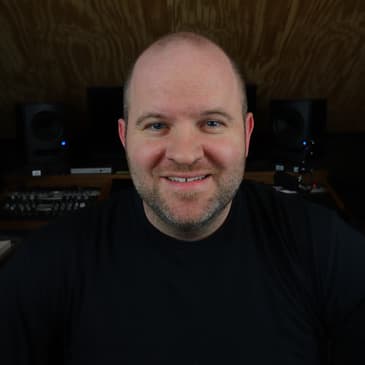
This month we are joined by musician, youtube content creator and founder of the music community "Home Studio Corner" .... Joe Gilder
Based in Nashville Joe has released a number of albums of his own music and is very much a music entrepreneur. The free content and paid courses he creates have helped tens of thousands of musicians learn how to produce their own music at home
Ben, Nate, Neil and Joe discuss imposter syndrome, how we have all felt it, what we do to deal with it and why everyone, yes everyone, still gets it not matter how successful you become
Further information about Joe is available via the links below:
https://www.youtube.com/@HomeStudioCorner
https://www.homestudiocorner.com/
https://songwhip.com/joe-gilder
Hosted on Acast. See acast.com/privacy for more information.
[00:00:01] So when you were planning this episode you thought who's the biggest imposter we know?
[00:00:06] Perfect
[00:00:08] That was nice that it's me actually
[00:00:11] I'm gonna be safe. They see how this is gonna guy. It's all of us. He's kind of the whole boy. I'm at the point. Okay
[00:00:17] Hi and welcome to Sound Discussion each episode we discuss a music topic
[00:00:23] We tree have all had first hand experience with
[00:00:26] This will be anything from getting started recording playing live mixing mastering and everything in between
[00:00:34] Most episodes we will have a special guest to bring their professional experience to the discussion
[00:00:40] So let's get started
[00:00:46] Today's guest scene perfect place to start as they were the way we all met
[00:00:50] Through their YouTube channel and music community
[00:00:53] There'll be 90 millions around the world for providing similar to understand
[00:00:56] Constructed videos on everything from songwriting to recording mixing mastering and everything in between
[00:01:03] Add into that the motivational challenges that they put out as part of their community
[00:01:08] And you'll realize that whether you're new musician or a seasoned old hand
[00:01:12] Dead a way to learn more and get better at music. So I'm delighted to have with us Mr Joe Guilder
[00:01:18] Hello, hello
[00:01:20] Hey boys. Hey Joe how are you today? Oh, I'm so good. I'm really excited about this. This is an awesome idea
[00:01:26] Not the having me, but you guys doing a podcast. I dig
[00:01:30] Well, it's so it seemed to be the right place to start as our first guest to obviously through home studio corner
[00:01:36] we all met and
[00:01:38] That is such an amazing community for
[00:01:41] Being able to work with other musicians and you know being able to share experiences and knowledge across
[00:01:48] An incredibly diverse range of musical genre. I think it's fair to say everything from EDM to
[00:01:54] Marica on it to
[00:01:56] some German heavy metal and
[00:01:59] You know everything in between but
[00:02:01] You know we were all sat here because we have been part of your community. We've watched your videos
[00:02:07] We've expanded our knowledge through those, but
[00:02:10] Today's episode
[00:02:11] We should probably explain is about imposter syndrome and one of the things that
[00:02:16] We wanted to sort of ask you about is how that sits with you that how you feel as somebody who's imparting knowledge to others
[00:02:22] And I'm sure we're gonna get on to it because I would imagine you very much don't feel that you have all the answers
[00:02:28] But
[00:02:29] Correct
[00:02:33] Yeah, so it's funny. I hopped on I didn't know at the top it was gonna be in as soon as you told me
[00:02:38] I thought oh well, if I'm gonna expert on anything it's this one
[00:02:43] Yeah, and even even I think as recently as last night I had about of do I know what I'm doing at all
[00:02:51] In any of this so yeah, it's very real and I don't know if you ever completely outgrow it
[00:02:56] But you learned to deal with it. I guess
[00:02:59] Yeah, absolutely. I mean, I think
[00:03:02] I think one of the things we wanted to cover on this topic was very much about
[00:03:07] I don't think what no matter what level you get to
[00:03:10] I don't think that imposter syndrome over goes away and I think actually there are times where
[00:03:15] The further you go
[00:03:17] Through your music career actually it can come in more and more. I remember the first time I walked into a
[00:03:22] Professional
[00:03:23] Studio to play drums. I remember walking in the door and thinking this is the worst idea of ever had in my life because
[00:03:29] This is gonna be a disaster they're gonna be really professional and I'm gonna look like an idiot and this is gonna be awful
[00:03:35] And then you very quickly
[00:03:37] Figure out that they are simply figuring out how it was they go along as well even though they're professionals and have done it a million times
[00:03:43] They are just going
[00:03:45] Let's try that let's put that over there. Let's move let's give that a go and it takes it becomes very quickly
[00:03:53] A realization that professionals are professional because they know how to fix problems
[00:03:58] not because they have every answer already to hand, you know, I think probably in
[00:04:04] You know, Nate and Neil from
[00:04:07] Production to playing live you you never
[00:04:10] Get sort of through that
[00:04:13] Imposter syndrome. I mean you were saying you had the other day driving live and you play like all the time
[00:04:19] I had it last night we we we we played at a
[00:04:23] Christmas party and we set up outside and the party was both inside and outside and we started
[00:04:30] The show and everybody was just still inside and I'm like
[00:04:35] I mean am I really we're playing outside we're there's nobody else out here with us
[00:04:40] Do they even want to come out here and you know and imposter syndrome is this this doubt about yourself despite
[00:04:50] Success right even though the success is you you're seeing the success right you know my band plays you know every weekend
[00:04:59] And we get such you know good feedback and people love us and come out to the shows
[00:05:04] But despite that I so get up there and I feel
[00:05:10] Even that good is the mic gonna you know sound that good
[00:05:13] Joe, thank you for the mic by the way
[00:05:20] That earth works my good. I don't want to sing through any other mic
[00:05:25] Yeah, pretty great. I'm not doing new earth work. Yeah, so
[00:05:28] Well nice
[00:05:31] So yeah, it's it's despite the success there's still that that fear that doubt inside and it happens to all of us
[00:05:43] You said like it was feeling
[00:05:47] Insecurity or it like unsure of yourself even though you've had success, which I think is really cool point because I
[00:05:53] Had a business coach once he said he said confidence is the memory of success
[00:05:58] So once you've done something you can remember have done that before I can do it and you know
[00:06:02] The more and more you do it the less like people say oh like whatever you do you make it look effortless
[00:06:08] Okay sure
[00:06:09] But Jillian hours later and it's a little bit effortless, but at the same time
[00:06:13] I think the imposter syndrome is like yeah, yeah, but this is gonna be the time
[00:06:17] We're you're gonna completely blow it and the wheels finally come off because you've not you've just gotten lucky up to this point
[00:06:24] You're not being able to hold it together
[00:06:26] Yeah, it also gets time
[00:06:29] Now go ahead Neil. Oh, I was gonna say also because you remember
[00:06:33] What you were before and you're like if they only knew
[00:06:38] What I was before you know like if only they saw like for you Joe. I'm sure like if only they saw my first few videos or whatever
[00:06:45] You know and for me think if only they ever saw they saw my first recording of of a song or if they saw
[00:06:52] Me live back in 2000 when I was when I was a singer in a you know Christian rock band
[00:06:57] You know, he's like it was terrible. Oh, if only they knew right and that still sits in the back of your mind like
[00:07:04] You know the the the whole
[00:07:08] The core definition that you gave Neil about imposter syndrome
[00:07:12] You know
[00:07:13] Having doubts about something even though you've had successes or even though it's something that you've done over and over again
[00:07:20] I find that I I go into these bouts of imposter syndrome and I had one
[00:07:26] Probably just a couple days ago if I'm calling correctly
[00:07:29] It's something that I do over and over and over again play the violin makes a song
[00:07:36] Give critiques on a mix somebody else's mix
[00:07:40] I know how to do those things. I know how to listen for the things. I'm supposed to listen for
[00:07:46] Do the things I'm supposed to do and I've done them
[00:07:49] Probably count as times now. I can't keep counting more and I still like in the midst of it. I'm like what am I doing?
[00:07:56] What this what no
[00:07:58] I'm not qualified to be giving this person advice on a mix. I just cranked out a poopy mix the other day like what you know
[00:08:06] So that the spite the fact that you've done these things over and over again
[00:08:11] You trip yourself up and say I don't know what I'm doing
[00:08:16] Why is somebody paying me to to give them advice to do this service for them? I don't even know what I'm doing
[00:08:23] So I find that to be really difficult for me
[00:08:26] It's something that I can overdo
[00:08:27] skill the skill there is that you like Ben you said like it's it's not so much that you don't jack things up
[00:08:34] Fairly regularly. You just know how to
[00:08:36] What to do next like how to say okay? I
[00:08:39] I messed up that mix, but I know how to get to the next one and yeah, it'd be you make you an hour texting like it
[00:08:45] It'd be great if the mix one was always the best most amazing thing ever produced by human hands
[00:08:51] But it's almost never the case no matter how great you are right there's usually something in there that you didn't hear that you overdo looked
[00:08:58] And a couple of quick tweaks in your there. So I think part of it is
[00:09:02] I think what's cool is I think people who struggle with imposter syndrome the most are the ones who keep at it
[00:09:07] And keep doing it like most people say, oh this feels uncomfortable
[00:09:10] So I'm just gonna quit this thing all together
[00:09:12] So they succeed and not feeling that feeling anymore
[00:09:16] But then they know they don't make anything anymore and I think that's almost if you feel imposter syndrome for a long-long time
[00:09:22] I think it's probably a testament to oh yeah, you're doing the thing
[00:09:26] You're successfully continuing and staying in the course which is awesome. I think the bit that's interesting on this
[00:09:32] Conversation safe file for me is we've all described imposter syndrome
[00:09:37] Because it triggers as something different for us so I was listening to all of you and my biggest thing is when I'm mastering
[00:09:44] I always sit there and think
[00:09:46] If they actually knew that I'm just using these eight plugins and I haven't gotten an entire rack of gear that they're running
[00:09:53] Everything through and it's like if they knew I was using an emulation of a new console just dropping it on the top
[00:10:00] I think well, rather than never come back to me then with they because he hasn't got any proper hardware
[00:10:04] And he doesn't not running it through a console and he's not sat at Abbey Road Studios with you know
[00:10:09] It turns the gear I've just got I'm just got eight plugins I'm running through and I'm going to DAW
[00:10:14] That's the bit that for me. I think well
[00:10:17] Anyone can do that? Why wouldn't they just do themselves why are they coming to me to do that?
[00:10:21] And I think each of you have described actually something almost something different that triggers that
[00:10:26] Imposter syndrome for you and I find that quite interesting because I'd like to hope that
[00:10:31] The eight people will listen
[00:10:33] Realistic about this. Yeah, let's double figures. Well, let's more we're aiming for
[00:10:38] I'd imagine they've all got a different there's something different the triggers that imposter syndrome for them
[00:10:42] Whether it's like as Neil said oh what if they knew what I sounded like 10 years ago, or you know
[00:10:48] Or is it oh I don't have a Gibson guitar I've only got a Yamaha Pacifico what I'll wait you know
[00:10:53] It's it's all sorts of different things that could be triggering that do we do you find you have to
[00:11:01] Let's go that to any of you do you find you have to deal with that? Do you have to sort of get yourself to take a step back and say
[00:11:07] Hold on I have been doing this four people for a while and
[00:11:10] Therefore I kind of am good at this or do you do you play our one
[00:11:15] Regardless if you know what I mean is it something you have to overcome before you can move forward or do you just move forward in it
[00:11:22] And live with it
[00:11:24] We all just look up at the ceiling and think about the answer to the question. Yeah, I mean
[00:11:28] I think for me, but I can get stuck in it so like I can spiral like a champ
[00:11:34] If I let myself
[00:11:36] But I think sometimes you just have to let yourself right you got to feel which feel
[00:11:40] So I don't think for me just plowing ahead is always the best thing because it's just kind of there messing everything up
[00:11:46] But I think I do need to like sit and face that thing that I'm feeling and usually I'll tell like talk to like my wife about it or something like man
[00:11:52] I'm feeling like a total imposter that
[00:11:55] And usually she's good about reminding me well this and this and this is true
[00:11:58] So these we know these things are true, so maybe this other thing is not
[00:12:02] All true or only a partial treat because that's what so insidious about it right like there's a truth to it
[00:12:07] Yeah, I can mess things up but there's other truth too. It's not like it's the only truth
[00:12:12] So for me, I've got to kind of look at it and then a lot of times like going back over as vain as it sounds and like
[00:12:18] Going through all the successes I have had whatever they may be like that's a good thing say okay, okay
[00:12:24] I trend in a certain direction and this momentary
[00:12:28] You know
[00:12:30] Moment where I just straight up suck is not the norm or if it is then fine, I'm gonna continue to
[00:12:36] Move forward in the right direction, but yeah for me. I've got a if I ignore it
[00:12:39] It just comes outside ways later so I feel like I have to kind of stop and say so what about you Nate Neil
[00:12:44] What do you sort of because I mean I can say I can say for me I
[00:12:48] Have to just I'm kind of the opposite. I have to just carry on
[00:12:54] Because I find if I if I sit there and think
[00:12:57] Right, I'm gonna convince myself that I'm okay at this then
[00:13:01] I never get to the point of actually doing it. I kind of then just go oh well
[00:13:05] I'll probably be good at this tomorrow and
[00:13:08] I'll probably be good at this on Monday
[00:13:10] I have to just say no, no, I've you know
[00:13:12] I've promised someone
[00:13:14] Drum tracks by Tuesday so they're getting drum tracks by Tuesday and then at the end of it I kind of go
[00:13:20] I was all right, yeah, I didn't that came out okay
[00:13:22] You know all I do it twice because it's a disaster
[00:13:25] So it's almost like you have two voices right? You've got one voice that is the imposter syndrome
[00:13:29] That's like you suck you
[00:13:32] You don't know what you're doing
[00:13:33] You're you're not qualified to do this and that and like oh you're gonna mess it up
[00:13:37] Uh, you know, and then you get this other voice. It's like no you're here and you almost have a battle between the two
[00:13:42] Yes, the devil's on your shoulders man. Yeah, yeah
[00:13:47] But also like I was thinking with
[00:13:50] Studio work you're kind of
[00:13:54] Buy yourself you're not getting any like reactive feedback at least when I do live music
[00:13:59] I can get live feedback you know
[00:14:02] So that that sometimes quels and helps the imposter syndrome
[00:14:07] But when you're in the studio and you're all by yourself and you're about to put it out to the world
[00:14:12] You're song
[00:14:14] You don't yet have that feedback. I think that's a really valid point yeah, yeah
[00:14:18] Certainly for home studios, you know if you go into a recording studio you have an engineer there who is
[00:14:23] Yeah, that was really good but we're gonna do one more take. I mean I can't tell you how
[00:14:28] Positive studio engineers are on the whole you know they are not thanks for those drum tracks
[00:14:34] They were really good. Yeah, we got those they are
[00:14:36] And they all did man. That was really good. But can we just do the chorus again and you're like oh
[00:14:41] He won't go well they won't go
[00:14:44] You know
[00:14:45] The chorus was rubbish could you do the chorus again? They will tell you how you nailed the rest of the track
[00:14:49] But we just want to redo the chorus and they're always putting a positive spin on it
[00:14:53] But in a home studio or you know if you're producing
[00:14:57] Music for other people like Nate with your studio where you are I'd imagine that self spiral
[00:15:03] Can be really hard to get out of oh my gosh. I will get into that spiral
[00:15:09] Especially when I'm doing like violin tracks right I've been playing violin might higher life
[00:15:14] I am not a virtuoso
[00:15:16] I I hate playing in orchestras that was the one thing so like that level of of playing I am not at
[00:15:25] But I can riff I can I can just put on a song and figure it out and you know
[00:15:32] 10 or 12 takes later. I've got an idea that has solidified into the final take and and I've gone record that final take or
[00:15:41] God forbid piece together, you know from a couple previous takes if I'm just not feeling it
[00:15:47] Beauty of editing but
[00:15:49] Kind of like to to what Joe was saying
[00:15:52] I'll be I'll be standing there and and I'll be deep into a track and
[00:15:58] And I'm just like I'm not getting this I got to put my violin down
[00:16:02] I'm actually getting worse as the session goes on like I'm I'm making you know
[00:16:07] Mistakes that I wasn't making 20 minutes earlier and I'm just like I'm now literally spiraling and I'm just feeling
[00:16:14] Terrible and I put my violin down. I go do something else go back to work or go
[00:16:20] You know make some lunch or whatever it is
[00:16:22] Go for a walk and it might be a day or two before I even come back to it, you know
[00:16:28] I just need to like get it out or let it sort of just
[00:16:32] Pass and and get it out of my system
[00:16:35] But I think that that kind of what Joe was saying is is facing that and realizing that
[00:16:42] You know here's here's what I'm up against here's what I'm feeling
[00:16:46] It's not a good feeling but if you recognize that and
[00:16:51] You reconcile with that negativity that you have sort of beginning to bubble up or or has
[00:16:58] Overflowed inside of you
[00:17:00] That that generally gives me the
[00:17:04] Confidence to at least put my violin back on my shoulder and hit record again
[00:17:09] Because I know that once I get past it
[00:17:13] Once I deliver those tracks to whomever
[00:17:15] I'm gonna feel good about what I've done and
[00:17:19] Nine times out of ten if I feel good about what I'm delivering
[00:17:24] I'm confident that the client is gonna feel good about it too now there's always that little bit that's like
[00:17:30] What if they come back and they say they hate it and I don't know if I've got another one in me like I what am I gonna play
[00:17:37] But thankfully that hasn't really happened and and nine times out of ten
[00:17:42] They come back happy and and there's no revisions or edits necessary
[00:17:47] Maybe I'll add something else but what I've cooked up in my head
[00:17:52] They like and and that once I receive that
[00:17:56] Feedback
[00:17:58] I'm like okay
[00:18:00] That battle that was worth it
[00:18:02] That got me further than I was yesterday
[00:18:06] And I'm ready to take on the next product. I love that. I think about it like if like one of the things in
[00:18:12] Post-Racendrum says at least to me and it sounds like it's true for for you as well like there's this element of
[00:18:19] First of all you gotta get it right and second of all you've got to get it right on the first try
[00:18:24] This like stupid idea that the that you have to be because you see people on the surface maybe and they
[00:18:31] Whatever whether it's on stage or something else and you think oh man they just
[00:18:36] Right out of the gate. They nailed it on the first take or like with business, which is a big source of
[00:18:40] Imposter syndrome for me like I tried something
[00:18:42] I thought it was a brilliant idea and it like according to the data it didn't work
[00:18:49] And there's that moment of like I can just say okay it didn't work or I can say I didn't work
[00:18:54] I'm terrible. I failed and it's just such a
[00:18:57] But so I get frustrated right now just talking about it because it's as if I'm supposed to have brilliant ideas every single time
[00:19:04] And is if that's been true for anyone we've ever like loved their creative output like at your favorite actor has bad movies
[00:19:10] Your favorite musician has bad albums and that's the stuff you don't hear right?
[00:19:13] But that's just a few here you don't even get to see all the bad tracks getting to that final take and all of that
[00:19:17] So I not to say like great musicians aren't aren't good at nailing it and stepping up in the clutch moment to play the solo or whatever
[00:19:25] Because there is that confidence from having done it a bunch but
[00:19:28] To it to take that further and assume that they nail it every time the first time is
[00:19:33] Pretty idiotic. Well, let's let's tie that thought into kind of what Ben was saying and and sort of the world that we live in as
[00:19:42] Home studio musicians
[00:19:45] You know, we don't interact with a lot of people outside of our bubble and the people that we do interact with
[00:19:52] are on social media on YouTube
[00:19:54] you know, we see a
[00:19:57] edited and
[00:19:59] very
[00:20:00] intentional
[00:20:02] acting out of a scene on YouTube or in a social media clip and we think
[00:20:09] Well, I'm just gonna sell my gear and go home. You know at the end of that video
[00:20:16] Why am I trying because this person has nailed it and there's no way I'm going to be able to match that
[00:20:23] And that's the I fall subject to this all the time
[00:20:28] And I know
[00:20:30] That it's not true but yet there's still part of me that thinks just pack it up Nate
[00:20:36] That you know, you're you're never gonna get there. So why try
[00:20:40] So I'm curious Joe what you think
[00:20:42] From the whole social media you're the social media guy in this little
[00:20:46] Group here now and so as a youtuber
[00:20:50] What's your take on on the whole one-sided experience of social media? I think as you were talking my thought was
[00:20:56] There will always be someone better than you
[00:20:59] And like that's cool and that's fine and that's normal right so like
[00:21:03] I'm at a I've gotten a certain level of followers on YouTube but I could spit off
[00:21:07] Eight people right now in the same
[00:21:09] niche who started way later than me who have way more followers than me and if I want I could let that just send me down
[00:21:16] the spiral staircase but
[00:21:18] The other piece of it is like how many of us listen to more than one band
[00:21:22] Red more than one book from a different author right there's plenty of room for all of us
[00:21:27] Like I bet you there's
[00:21:29] Another violinist in the world right
[00:21:32] So wait I'm not the only one
[00:21:35] I know I didn't want we were we didn't want to tell you but
[00:21:37] Like yeah, you've just really nice off something
[00:21:40] But yeah like it's there's of course there will be people just because someone's better than me doesn't mean
[00:21:45] I'm not also good or that I don't also have a role to play in this thing and like my role may be this and someone else's role may be this
[00:21:53] But the people that I the people who's lives. I affect
[00:21:58] Their lives are just as affected whether someone else is affecting other people's lives or
[00:22:02] I imagine you all watch other YouTubers than just me
[00:22:05] Shocker but I imagine those people have affected your lives too
[00:22:09] Arguably in even maybe even bigger ways but like that doesn't affect like the relationship that we have as well
[00:22:15] So to me that's really important to remember like there's there's plenty of room
[00:22:19] It's not like a pie that if someone takes a slice now
[00:22:22] I don't get pie like there's there's just so much pie and that's your sound by
[00:22:27] There is so much pie
[00:22:29] I can go for some apple
[00:22:33] The bit that it took me a very long time to get my head round is
[00:22:39] Everybody no matter who they are gets in foster syndrome the Taylor Swift so this world will wake up
[00:22:43] Well morning and go
[00:22:45] I'm I really how come how am I this big this is only me? I'm just you know the Bruce Springsteens will wake up and have a day where they think they're
[00:22:52] New albums rubbish and
[00:22:55] It took me a long long time to realize that it doesn't matter how successful you are and arguably as I think somebody touched on at the beginning
[00:23:03] The more success where you get the more you start to have those moments of
[00:23:07] How why am I here what you know stood on dust and restage if you're Ed Sheer and thinking how I did I get here
[00:23:13] I just played bars in you know
[00:23:17] Where they used to England and now I'm stood at last and ready so I
[00:23:21] Think that's
[00:23:23] That's something that is always healthy to keep in mind that when you're feeling like that it's like yeah, that is that is normal
[00:23:29] It is normal to get to these points of
[00:23:32] I don't think I'm good enough but
[00:23:35] That's okay
[00:23:36] because
[00:23:37] I am good. I am I am good enough
[00:23:41] It comes back to the out. I'm never trying to be the best there is but I am good enough at what I'm doing
[00:23:47] So I have a guy
[00:23:49] I've got a friend who has
[00:23:52] Produced like he he produces for like my favorite so my favorite artists growing up
[00:23:57] Just Christian artist names Steven Curtis javan and
[00:24:00] There was this one album that I just love is real like swampy and acoustic and awesome and really influenced me as a musician
[00:24:06] And honestly influenced me in my career because I read some book that said he studied music business in college and I was like what are those words?
[00:24:13] That sounds interesting so I kind of let me down the path of doing what I do now
[00:24:17] Anyway, a friend of mine turns out he plays bass for Steven and produces
[00:24:22] The last several of his albums. So big big like major label artists in like the Christian world
[00:24:29] But he tells me like he'll have he'll have albums where
[00:24:32] It's time to send it off to the label or to the mix engineer and he'll stall for like a week
[00:24:38] Because he's like this is the for this is going to be the one that proves that I don't know what I'm doing
[00:24:42] And I'm thinking well that happens to you
[00:24:44] What hope do the rest of us have but
[00:24:47] But it's very real right like you said like
[00:24:49] It's it shouldn't surprise us, but it does go think we have this this weird idea that everybody's everybody out there is crushing it
[00:24:56] But us
[00:24:57] I think everybody out there is just kind of piece in it together just like the rest of us
[00:25:01] That is very true. Yeah, it does so the one thought that that I had was
[00:25:08] So this this feedback that were sort of
[00:25:12] Receiving from our own internal loop of
[00:25:16] You're pushing up against something it's uncomfortable you're not sure if you should keep pushing
[00:25:22] When do you actually say hey?
[00:25:24] Maybe this isn't where I need to be focusing my efforts. You know I'm not maybe I'm not a musician
[00:25:31] Maybe I'm a better producer right maybe I need to refoe. I'm never going to write a hit song
[00:25:36] But maybe I'm good at helping other people write hit songs or
[00:25:40] Maybe I'm not a
[00:25:42] X I'm a better y
[00:25:44] What point do you keep pushing against something and realizing well maybe this isn't what I'm supposed to be doing and I need to refocus my efforts and turn
[00:25:51] A different direction
[00:25:53] Windows windows someone stop and and ask that question
[00:25:57] I don't believe that anybody should necessarily stop because when it comes to art
[00:26:08] You're always going to have your audience for your art right and so and you can always get better at what you want to get better at
[00:26:17] Right, so I feel that
[00:26:22] Nobody should
[00:26:24] Not nobody should really give into that voice like if that's what you want to do
[00:26:29] You know it's gonna take some work probably to get to where you want it to be
[00:26:33] And you're always going to have to work at it like I always I always find it arrogant
[00:26:39] When musicians you know they don't practice their instrument
[00:26:42] They don't they don't continue to improve they think they're at that
[00:26:46] You know amazing level. Why would you think that like why wouldn't you want to get better?
[00:26:51] You know because I like I'm I feel like I'm a pretty good guitarist
[00:26:56] But I could totally be better. I could totally learn new stuff
[00:26:59] I feel like I'm a good vocalist, but I can always
[00:27:04] Always try you know to find new techniques learn how to get into mixed voice, but you know there's always something to learn
[00:27:11] And like if that's your passion if that's what you want to do
[00:27:16] Then do it
[00:27:17] When it comes to art you know because there's always gonna be
[00:27:21] An audience your specific not everybody's gonna love what you do
[00:27:25] Right, I do grunge music live
[00:27:29] It's an alternative rock and yeah acoustic and so like there's always gonna be those people
[00:27:35] They're like play some skinner, you know
[00:27:39] Can you play something from the 60s or 70s and I'm like I can
[00:27:44] But that's not what we do
[00:27:46] You know that's not what I'm really good at
[00:27:49] Right, this is what I want to do and and we had a lot of pushback in the beginning
[00:27:53] But we've grown in audience because we stuck to that
[00:27:57] Right
[00:27:58] So that's my two hands on that it's funny like I totally agree with Neil and then I also completely see it from the other side of I think there's two levels because I think
[00:28:07] On an artistic level
[00:28:08] Don't try to be someone you're not right if Neil suddenly turns doing synotrotunes
[00:28:14] Like I don't know it's probably not the best option, but maybe maybe in the next phase of life
[00:28:19] But but also within that thing that you're doing
[00:28:23] Now use you as an example because you said it like if if like you have a trusted friend who's like hey man
[00:28:27] You're guitar parts are pretty sloppy
[00:28:30] Like you're you're not playing in time with the rhythm section or you keep speeding up on this part and it doesn't sound as good
[00:28:35] As when you slow down tempo while I was like feedback like that
[00:28:38] Helps you be better at your craft and so there's like two elements of you can say well don't listen to him because this is my art
[00:28:43] I'm doing it my way and that's valid for sure
[00:28:46] But also like I think about people that I've coached like in like VIP for example who
[00:28:51] Hold on my gigantic 13 year old wants to walk by there. You go you can't even see his head
[00:28:56] He's a taller than me y'all 13 years old is ridiculous
[00:29:00] Sorry, but people that I've coached who
[00:29:04] You know they'll they'll be so dead set. I'm like always singing on their projects
[00:29:08] And I'll give my idea of like hey, maybe have somebody else thing just they're like I'm a terrible singer
[00:29:11] It's not like they're passionate about it. They just think they have to do it
[00:29:14] But then they collaborate with somebody else and suddenly their music is gone from here to here
[00:29:18] Because they've stopped doing the thing they're kind of terrible at so I think there's a level of like someone told me once you shouldn't sing your songs
[00:29:24] You're not a good singer and
[00:29:26] Am I the best singer in the world? No, but I'm gonna sing my songs because there's too many reasons why I want to I love it. I enjoy it
[00:29:33] I don't think it's terrible so there's that element of it
[00:29:36] So I'm not gonna listen some random youtuber commenter, which by the way, I've had some dozees lately
[00:29:41] One guy told me I should just give up
[00:29:43] Wow, oh you know what now to me
[00:29:47] Not that you mentioned
[00:29:49] I'm gonna take your advice random. Sorry. This is a random story and I shouldn't tell it but somebody posted
[00:29:54] It was on a video about how to forget what it was about but they were like the microphone you're using it was that persona
[00:29:59] I've had that little cheap persona's the microphone you're using sounds terrible
[00:30:03] You should stop giving that advice
[00:30:04] It's awful and thinking first of all it doesn't sound terrible
[00:30:08] It's not the best mic in the world. It's actually surprisingly good for a hundred and twenty nine bucks or whatever
[00:30:13] So of course I click on his profile because I can't help myself and he has most of the time
[00:30:16] They don't have anything on their channel, but he had a video. He had just uploaded
[00:30:19] Remember that song hey there Delilah that little acoustic yeah was like I sometimes do that song
[00:30:24] Yeah, it was really popular for a minute
[00:30:26] He's got a cover of that so guitar comes in it doesn't sound that great and then he starts singing and he's a full fifth below the note
[00:30:32] He's supposed to be on
[00:30:34] So it should be like hey there Delilah and he's like hey there Delilah. So it's this like you you're completely toned
[00:30:41] If it appears
[00:30:43] But I was getting you know, but you want to meet'll take your advice on what doesn't doesn't sound good
[00:30:47] So part of it is
[00:30:49] Yeah, don't listen to people who don't you don't have any relationship with but then also have a community where you can share something you worked on and they say dude
[00:30:56] That's
[00:30:57] Terrible, I know you and I know you've got a lot better in you than that. I did a song last month for that challenge
[00:31:05] And I
[00:31:06] Went through several iterations and one I thought was cool and then as soon as I played it for like
[00:31:10] Pam my wife she's like oh no
[00:31:13] And then I
[00:31:14] Said that's it. Oh yeah, you're right that is terrible. It was like this orchestral cheesy stupid thing that I spent an hour
[00:31:20] Putting together and thought I was a genius I'm over here like I'm like the nougat of all the and then she
[00:31:24] Here's and it's like this is really bad
[00:31:26] And so it's not like oh you hate my art woman. It was
[00:31:31] You know what she's right. I got so locked into this thing and like fixated on this one thing that I thought was kind of cool
[00:31:37] Take a step back turns out it wasn't so I do think
[00:31:40] Especially because we're if we're if your home studio type person you're the only one making it
[00:31:44] You're only making all the decisions
[00:31:46] You're not gonna be trustworthy for every one of those decisions
[00:31:49] So it's good to have
[00:31:50] Hopefully sooner than later some feedback of hey is this dumb
[00:31:53] Nate and Nate writes back yet dumb so now don't spend the next hour orchestrating a four part
[00:32:00] Stupid like string quartet thing for a song that will never he's see the light of day
[00:32:04] Especially to Nate like hey vinylin is look what I did on my keyboard
[00:32:08] In the beautiful right it just it'd be nice to save some of that time by having some of that feedback sooner than later
[00:32:14] I had a I had a session a couple years ago
[00:32:19] From somebody who I think was in the home studio community. I don't know if they're
[00:32:22] I remember anymore I haven't seen him in a while and he had written something on violin
[00:32:29] But he wrote it on his keyboard with a
[00:32:32] Spitfire or something. I'm not sure and said here here. Here's the track. Can you play this?
[00:32:37] Yeah, sure. Okay great. So I loaded up I start listening I start
[00:32:41] Transposing transcribing it on my violin and then and I'm like hang on a second
[00:32:46] Go to my keyboard I start like plotting out the notes
[00:32:49] Not he actually wrote the violin track outside of the range of the instrument so now
[00:32:54] I have to go back to him and be like so this is sounds great
[00:32:57] But the violin physically can't play these notes down here or these notes up here
[00:33:01] I can't get from this note to that note that quickly you know
[00:33:05] So let me rewrite this for you as a violin this would actually play it and hear it and write it
[00:33:11] And it was fine at the end of the day and nice. I'm sure a lesson for him
[00:33:15] But yeah that was
[00:33:18] Kind of that was kind of nice like on the other side of the whole imposter syndrome thing that was where my expertise said hey
[00:33:24] This sounds lovely
[00:33:26] But is impossible for a violin violinist that instrument doesn't exist. Yeah exactly
[00:33:33] I think that's the the critics or the critique coming back is something that as a musician I think
[00:33:39] We are uncomfortable with to start with you know when you send something out and you say hey
[00:33:45] No, I'm just written this and Nate writes back going yeah, you did
[00:33:51] You know it's not a comfortable conversation to have started and that's where that imposter syndrome then starts going
[00:33:57] Well, I should never write a song ever again because clearly I'm rubbish at it and I'll never do it
[00:34:01] But it's such an important part and I know in a later episode
[00:34:05] We're gonna cover the whole benefits around collaboration and because no no great album in history was written by one person on their own in a room
[00:34:13] I'm gonna go out there on a limb and say that somebody will point out an album that was written by one person in a room on their own
[00:34:19] But they're not they're written by a group of people or at least a person who can then send it someone else and say
[00:34:26] I've written these and they go you know Nate's name. And I've worked together a number of times
[00:34:31] And I'll send him something and he'll say yeah, but what if it did this and you're like oh
[00:34:37] Yeah, and that's if you can get comfortable with that sort of feedback coming back the other way without it kicking into your imposter syndrome
[00:34:45] I should never write another song ever again. I'm terrible actually
[00:34:49] It opens a door to being so much better. I'm not no matter what you're doing mixing or
[00:34:54] Recording or singing or even playing live, you know
[00:34:57] I remember many years ago now when we were in a band playing live and somebody said
[00:35:02] Make your songs closer together
[00:35:04] We used to be we were a wedding band we played at wedding we were if you were playing and
[00:35:10] They said don't have such long gap between your songs
[00:35:13] Just if you're playing when you stop playing start playing the next one. Don't have a chip chat
[00:35:16] Don't have a just and it was that we could have gone
[00:35:20] And everyone of plug-in because we're clearly rubbish because somebody put and actually we took it on board
[00:35:25] And the gigs were amazing because they basically never stopped for two hours and the everyone was dancing on the dance floor and it never dropped off
[00:35:32] And there was no
[00:35:33] You know waiting between songs so we made sure we were lined up song song song song song so we knew what we're doing
[00:35:39] But yeah, that imposter syndrome. I think
[00:35:43] I never had it playing live because like it was all over you would you kind of had no choice your book you turn up you play
[00:35:49] It was the end of the gig people clap to we were went home. I find it much more when you're remote from people
[00:35:55] And they've sent you things to work on a sent you stuff and then you'll just sat here in a semi dark room going
[00:36:03] I don't know what I'm doing
[00:36:06] And you've made a great point that like like
[00:36:09] for a way to combat
[00:36:12] um imposter syndrome is to work with other musicians in my opinion like you guys feedback and off each other
[00:36:20] You know
[00:36:22] showcasing your strengths and
[00:36:24] In the same song or if you have whether it's live music or you're in the studio
[00:36:29] If you're working with other people
[00:36:32] Like you're getting that feedback from each other and
[00:36:36] That is in my opinion one way to combat
[00:36:39] Imposter syndrome if you're all by yourself in front of a camera doing videos for you know home studio corner
[00:36:45] I'm sure a little voice in your head will start to
[00:36:50] Creeping in or if you're you know mastering all by yourself and in that room or you know mixing
[00:36:56] You know
[00:36:58] All by yourself it
[00:37:00] That that little imposter voice will will creep in my biggest thing on when I'm mastering on imposter syndrome
[00:37:06] It sounds amazing in here, but I'm gonna send this to someone until the mid towns amazing everywhere
[00:37:12] I
[00:37:12] I assume it does now
[00:37:14] I
[00:37:15] Putting my win post syndrome to the side. I know it does because I've listened to so much music in here that I know what music sounds like in here
[00:37:24] My room is reasonably well treated and I've got
[00:37:27] Waze of take turn it down people get your room out the equation turn it down
[00:37:32] But there's lots you can do to help with that and I know what music sounds like in here
[00:37:37] I listen to so much music in here that's released not that's coming from clients. So I know what it should sound like
[00:37:45] But there's always that bit of I'm gonna send this to them and say
[00:37:48] Yeah, you can upload this to Spotify and it will sound great everywhere, but
[00:37:52] I mean does it? I think it does so that's the bit always gets me
[00:37:58] It's it's not the technical I don't know what I'm doing. It's I'm telling someone this is good enough for them to share with the world
[00:38:05] I only have
[00:38:07] I have doubts that that's true even though I've done it hundreds of times
[00:38:12] Thousands of times probably by now
[00:38:14] Yeah, because when you're mastering you're that's final
[00:38:18] Yeah, yes, the final right for the lower it goes out to the world
[00:38:22] Not to put any more pressure on you
[00:38:24] Thanks
[00:38:30] the idea of the the wedding band and and cutting the time
[00:38:36] Implying through it as opposed to the home studio musician who was insular and and has
[00:38:43] Room to breathe or better yet time to think
[00:38:48] I like the juxtaposition of those two ideas because you're so busy in that two-hour window
[00:38:53] It's bam get started and you don't stop you don't have time to think you're anytime to go to the bathroom
[00:38:59] When you're home studio musician you have unlimited time to think and you can
[00:39:05] Sit there and solo your acoustic guitar for the next hundred years as never gonna sound any better
[00:39:12] You know, and so you have all that time to think and then that's when you start to think oh
[00:39:17] I'm not that good you know, but maybe maybe the other side of it is just keep going don't stop
[00:39:23] Just keep hitting record just go to the next song don't stop don't stop don't stop. I think jose always had a mantra of you have to put music out
[00:39:32] You have to put a sticker fork in it say it's done
[00:39:35] An abandoned mix i think it's called isn't it mix is never finished. It's just abandoned
[00:39:40] Yeah, so you I think you have to do that and move on to the next song because that's the only way
[00:39:45] That you then start getting the feedback of hey man. I really like that that was really good and that that then
[00:39:50] Helps to combat that imposter syndrome feeling of I don't know what i'm doing because even if three people liked it
[00:39:55] Well hold on minute three people liked it, you know that they do you know what i'm doing and I think
[00:40:02] Yeah, I always remember when I first joined or at least maybe you're out of something
[00:40:05] Maybe you don't know what you're doing totally but you're on to something exact right and so you keep doing
[00:40:10] I remember when I first joined times due to corner was one of the first things Joe had a
[00:40:13] video out which was that you
[00:40:16] The challenges you have to release a song in the next
[00:40:20] Six months i think it was you have to write it record it you have to put it and you have to release it for everybody to listen to
[00:40:27] And I
[00:40:28] sat there and thought
[00:40:30] Now that that's i mean that's not
[00:40:33] Because first up who's gonna want to listen to that and second off i don't know what i'm doing
[00:40:37] But actually that gave me a focus of what i'm going to have to figure this out now because i have to
[00:40:42] I mean, you know i've signed up to home studio corner and that's the challenge and i'm in and
[00:40:47] I think you paid your money pay money. You don't want to waste your money very reason we're money is too
[00:40:53] Yeah, never never have canceled and got my my money back guarantee kicked in so
[00:40:59] I think probably after like 12 years with with too far in now
[00:41:03] Oh, yeah, i don't think you're getting a back dude i already spent them sorry
[00:41:07] I think that's but no like to your point Ben like the good news about releasing bad music is nobody's gonna hear it
[00:41:14] Right, so like your first if it you've never done it your first one's not gonna be your best
[00:41:19] Your next one will be the one next year will be better the tenth one's gonna be way better
[00:41:23] So like might as well go ahead and get that first one out of the way now you may have like a unicorn right where your first one is wonder wall and suddenly
[00:41:30] Wow look at that guy your next one won't be yeah, right?
[00:41:34] So like that if you're like i remember when i was in high school i was in a band and i had written
[00:41:40] Like three songs total ever at that point and the the guy who's saying in the band
[00:41:45] They were all songs that he had written and he kept forgetting his lyrics and how would think you and that sure?
[00:41:49] How can you forget these precious things that you've written well?
[00:41:53] I don't have three songs that ever written before so it was pretty easy to remember mine and then you know fast forward 20 years
[00:41:58] I'm playing at bluebird cafe and i forget a lyric and i'm like i've become that guy
[00:42:03] Because i'm trying to remember hundreds of songs that i've written and which lyric comes here
[00:42:06] I can't remember so like there's a level of you're gonna get way better just through repetition and finishing
[00:42:12] But not if you take the next three years to finish that one song
[00:42:14] Like you're gonna it's not gonna be nearly as good as if you've done you know 30 songs in that time period
[00:42:20] But i'm totally preaching to the choir here anybody that criticizes music live musicians for having a tablet there with the words
[00:42:27] Okay, you know
[00:42:28] You you know go do it yourself and try because i forget the word i could sing a song for years over and over again
[00:42:35] And i'm sitting i'm standing there with my guitar singing and i will be like what is the first word of that next verse?
[00:42:43] So that's my first word no shame in that no shame
[00:42:45] I've seen really big bands at Wembley and you can if you get the right sang people
[00:42:49] You can see they have an auto cue of the words on a massive screen down by the modern stage monitors
[00:42:55] Not because they use it all the time but it's probably just that what's the first line?
[00:42:58] I've come the first once they were into the first line the rest comes all right
[00:43:02] But it's like how do we yeah because when you're when you're playing live there's so much
[00:43:06] Did you know it happens they're like i've been walking down the road trying to loosen my
[00:43:10] What's the word you know like you know even that line that everyone knows they're gonna forget in the moment
[00:43:15] Yeah, it is right
[00:43:16] No, and that then brings in the doubt of i don't know what i'm doing
[00:43:19] I shouldn't be doing this and we get back to the whole position of it can sometimes just take that one little thing going wrong
[00:43:25] And that things going wrong is music right we've all got to the point where we know things going wrong
[00:43:31] That's called music you know there are famous albums where some of the best bits other bits that actually they
[00:43:37] They never meant that in that spot that's just what happened on the day when they were all sat in a recording studio and
[00:43:43] They pressed record on the take deck because they didn't get the luxury of
[00:43:48] Digital editing in a door to do 4,000 takes it's
[00:43:51] You know that's the bit the went wrong and they lived with it and they might listen to it themselves and be like
[00:43:56] Oh
[00:43:57] I was to pay the wind wrong and we listen to it and go that's the best thing on the whole track what you talking about
[00:44:02] So heck yeah, yeah because that's the humanity
[00:44:06] Can't take the don't take the humanity out of out of music like the little imperfections that that's human right and
[00:44:13] Like now it ain't I feel like music is so
[00:44:16] Pro tools and digital and so perfect and over edited why do we need an editor?
[00:44:22] Right it should be like
[00:44:24] There's no reason for an editor you've got the producer you've got the recording engineer
[00:44:29] They should just record it right at the source get it right at the source and
[00:44:35] Go from there. Where'd you hear that that would be a great tack
[00:44:39] That's pretty sure yeah
[00:44:42] Get it right at the source
[00:44:45] I mean
[00:44:46] On the other side of that Neil. I mean
[00:44:48] Yeah, I get what you're saying and certainly the the quant is it quanta
[00:44:53] Tization of music and and just like the rigid editing does take the life out of music but I think the other side of that is you know
[00:45:02] Tape and razor blades is not the most efficient way to edit your song
[00:45:07] so
[00:45:08] You know I I get it and and getting it right at the source is a good way to you know keep in mind as you're making your music
[00:45:18] But also let's be realistic
[00:45:21] A lot of times you don't get it right at the source and either you got to figure out how to fix it post or
[00:45:27] Go back and redo it, you know and and learn from that experience and and then take that
[00:45:33] Absolutely we got amazing tools now that can you know edit faster than tape and razor blades
[00:45:39] And I don't ever think that we should go back to that unless your food fighters
[00:45:44] There's some people that still hang on to that. Yeah, absolutely
[00:45:47] But but just because you can doesn't mean you should like there there's like the ability to do one click and that's the same as you know
[00:45:56] You know razor blade edit doesn't mean you should you know line up every single thing to the grid right
[00:46:02] All right let them use like breathe let let the humanity through right I heard a story
[00:46:07] I'm sorry when pro tools was starting to get big in Nashville somebody got was like you know
[00:46:12] And I'm gonna edit this vocal and it was like a major after I don't know what it was major label country or at least
[00:46:17] But they said I'm gonna edit all the breaths out of the vocal because now we can do that we couldn't do that on tape
[00:46:21] Like but now we can and apparently that release felt so weird to people like it felt everybody felt like they were holding their breath
[00:46:27] Because you never heard the thing are free so it's like this guy took one breath get record
[00:46:32] The form is later you've done it's funny like just because we could turns out it was a terror
[00:46:37] Yeah, we're kind of used to this whole concept of breathing after a few you know million years or so novel idea
[00:46:43] So do we think what what advice as a group? Do we have there are gonna be people that's gonna be home musicians at home with their
[00:46:50] They have great guitarists or they're a great songwriter
[00:46:52] They might have written the next one to all who knows but they're not releasing it because of this imposter syndrome that's saying
[00:46:58] Nobody is gonna want to listen to it nobody wants to hear what you have to say I think
[00:47:04] If I start and we'll go around the group just with some thoughts to sort of sum up a little bit of what we've talked about
[00:47:10] I think for me you won't know
[00:47:12] Whether somebody likes your song track music production mix unless you send it out until an ask people
[00:47:20] You might find that yours is the next one to all you might have just written the next
[00:47:24] Taylor Swift Grammy nominated hit
[00:47:27] You won't know unless you tell you unless you let have people listen to it and that for me is the bit that I think
[00:47:33] No matter whether it's a mix or a master or a drum track or guitar track or you've written a whole song
[00:47:38] Well, you've produced a
[00:47:40] Bob, you know Bob Ellis has produced some amazing EDM piece of incredible art that you know we all just sit there and go well
[00:47:47] I don't I mean I'll just give up now immediately because he's done a video there goes with it
[00:47:52] That's now taking their level up a whole another notch
[00:47:55] But
[00:47:57] You'll never know if that's you if you don't let people hear it and I think what everybody is that's that's my takeaway from this is
[00:48:04] Everybody suffers from this and you just have to kind of say to yourself well, I'm gonna give it a go
[00:48:09] What do you think Nate was what do you be your sort of advice?
[00:48:13] I think it's it's comforting to know that I'm not the only one that that goes through this you know
[00:48:20] Again, I'm in my own little world. I do interact with some friends who are producers and engineers and and
[00:48:28] I know that they experience this too, but I know that they're also a lot further on their journey than I am
[00:48:34] Right so there they're experiencing things from a different point of view than I am and we all are right
[00:48:40] We all are experiencing our own world our own version of imposter syndrome not
[00:48:45] identical
[00:48:47] Completely to anybody else, but the core of it remains the same and the core of it is a universal for anybody on their journey at any point in their journey
[00:48:56] Whether you just bought your first interface in microphone yesterday or
[00:49:01] Your Taylor Swift and you're getting ready to walk out on stage
[00:49:05] And I think that that is what's comforting to me
[00:49:09] knowing that okay if
[00:49:11] Taylor Swift could walk out on stage in front of
[00:49:14] How over many tens of thousands of people
[00:49:17] and not you know buckle at the knees
[00:49:21] Then I can record my my violin track and I can get through this and I can make it to dinner right like that
[00:49:28] I can do this I got this and and that is the the one thing that I need to keep in mind that perspective
[00:49:34] of you know
[00:49:36] Other people have been through this before and they've made it through it and so can I and I can keep going and I may
[00:49:43] Not feel like the most intelligent most
[00:49:47] You know virtual so of a instrumentalist at this moment
[00:49:51] But tomorrow I'm gonna feel a lot better about everything and I just need to get there and then let's keep going
[00:49:59] Because I know that what I'm doing makes me happy. I know that what I'm doing is
[00:50:04] What I want to be doing even when it's uncomfortable?
[00:50:10] So there take that imposter syndrome
[00:50:15] Then what about you? Well, um, what'd be sort of so both you been and Nate
[00:50:23] Have said amazing things. I guess I could add that
[00:50:28] Make music with other people make music with other people like join a community like homes to do a corner
[00:50:35] And make music with people that's that's one of the ways that I've I've saved that off the imposter syndrome
[00:50:44] Making music with people getting that feedback working together on a project so it's not just
[00:50:51] You feel super vulnerable if it's just you right where like if you're working with people you get the feedback
[00:50:58] So I have my suggestion would be to work with other people
[00:51:04] on music yeah good
[00:51:06] Don't with wrapping up a little bit. Love you to have the sort of last thoughts on imposter syndrome
[00:51:11] Obviously seeing a lot of this down the years from your members
[00:51:16] Home studio corner. Yeah, say
[00:51:19] Yeah, you guys took them all
[00:51:21] Thanks for that
[00:51:24] Let's let the guests clean up the mess
[00:51:26] um
[00:51:27] No, I think biggest thing I would say is like you got you got two options you can
[00:51:32] You can either just not do it right you cannot make music and that's valid
[00:51:37] But if that's something that is kind of you feel like you were born to do and born to make it be a shame
[00:51:41] To go through life and have not
[00:51:43] Built that body of work that you could have built otherwise whether it's gonna be amazing or at best it ever gets is kind of mediocre like it's almost not the point
[00:51:53] Because I like for me. I was I feel like I was born to make music so
[00:51:58] I'm not sick of it yet. So I'm just gonna keep doing it. I haven't won a Grammy yet, but I'm just gonna keep doing it anyway
[00:52:04] Because it brings me so much joy and as it turns out it connects with people occasionally literally as I was firing up this
[00:52:11] To do this interview I had an email from somebody that listened they they just lost a
[00:52:17] Love parent. I think and one of my songs came on that kind of spoke to that and just randomly hit and release spoke to them
[00:52:24] And so I'm thinking that song nobody knows that song, but that one person it made a connection and to me that's worth the whole getting caboodle right
[00:52:32] And so it like to me I don't want to get to end my life and think man
[00:52:36] I wish I'd bait some music because that's the there's a book. It's like I haven't read it, but it's like the
[00:52:42] Certain number of regrets of the dying and like it was it was it was a biggest thing people on their deathbeds
[00:52:48] And towards the end of their lives regretted which the things they were too scared to do so like I'm gonna take a
[00:52:53] Take a note from them and when I'm afraid of something
[00:52:56] And then that's probably a good cuteline into it and move forward and do it
[00:53:00] Because the alternatives to just do nothing and to me like failure isn't doing it and having it not turn out well
[00:53:05] Failures just never actually getting around to doing it
[00:53:09] I don't mean that to shame anybody or say like you got to do a bunch of crap
[00:53:12] More so just if this is something you want to do then like
[00:53:15] Consider this your permission slip to go do it. You don't need anybody else to tell you
[00:53:20] For me apparently
[00:53:22] To go
[00:53:24] Make the music that you were born to make like just just makes a music. It's it's not as big of a deal
[00:53:28] We look to I think that's great. I think
[00:53:32] One of the things somebody said to me is exactly it's pretty much exactly that you can never fail if you've tried
[00:53:37] You can only be not successful you can only fail if you don't try and I thought that you know that
[00:53:44] That's a great metaphor for music in general if you don't right if you don't make anything
[00:53:50] You can't succeed, but you will have failed
[00:53:54] Yeah
[00:53:55] But it's out there everybody here you music wherever it is
[00:53:59] Don't let anyone tell you you can't do it. Yeah, if that's what you want to do and
[00:54:02] Always get Joe's permission before you do anything because that's
[00:54:06] That's the new rule. Hey Joe. I'm gonna record today. Is that okay? Sure. Look at permission
[00:54:11] Great 10 people are gonna be emailing you now asking for permission
[00:54:18] Wow
[00:54:20] Well, this is great. I you know that there's probably a lot more we could talk about from other people's perspectives and maybe
[00:54:27] We'll get feedback from other people who listen to this episode and said hey that's great and and here's my experience
[00:54:33] So to the listener
[00:54:35] Right us send us an email
[00:54:38] Sound discussion podcast that Gmail calm let us know
[00:54:41] What you have experienced with imposter syndrome
[00:54:45] what you were up against how you came over it
[00:54:49] What you're feeling
[00:54:51] With imposter syndrome let us know and
[00:54:53] Maybe there's another discussion to be had about this from a different perspective and maybe you're the guest next time we talk about this
[00:55:01] So let us know
[00:55:03] We'll never know unless you tell us so there you go, right send us that email
[00:55:07] Well, thanks Joe. Thanks for giving your time
[00:55:10] Appreciate say you're busy you cheaper say we've got to fit that in with your schedule
[00:55:14] I give the appearance of busy that's all
[00:55:16] It's been brilliant having you on thank you very much indeed. Thank you Joe. Thank you offer having me it's y'all are some of my favorite people
[00:55:22] And so this was just this was just a blast and appreciate it nice all right all right guys till next time
[00:55:28] I'll speak you all soon. Thanks for listening get off my lawn. There we go
[00:55:34] There he is
[00:55:53] Thank you for listening to sound discussion your hosts are Ben Holmes Neil Merchant and me
[00:56:00] Our theme song is composed and recorded by Jojo Timmerman you can find us on the internet at sound discussion podcast dot com or you can drop us a line at sound
[00:56:10] Discussion podcast at gmail dot com
[00:56:14] Additional show notes for this episode can be found on our website or in the description area of your podcast player
[00:56:20] A big thank you to our guest for taking the time to chat with us today and to you the listener for taking time out of your busy schedule
[00:56:28] to be part of our discussion
[00:56:30] We look forward to having you join us again next month on another episode of sound discussion
[00:56:37] Someone takes a slice now. I don't get pie like there's there's just so much pie and that's your sound bite
[00:56:42] There is so much pie